
REVIEW · COMMUNISM HISTORY TOURS
Prague: Communism Tour & Museum Visit
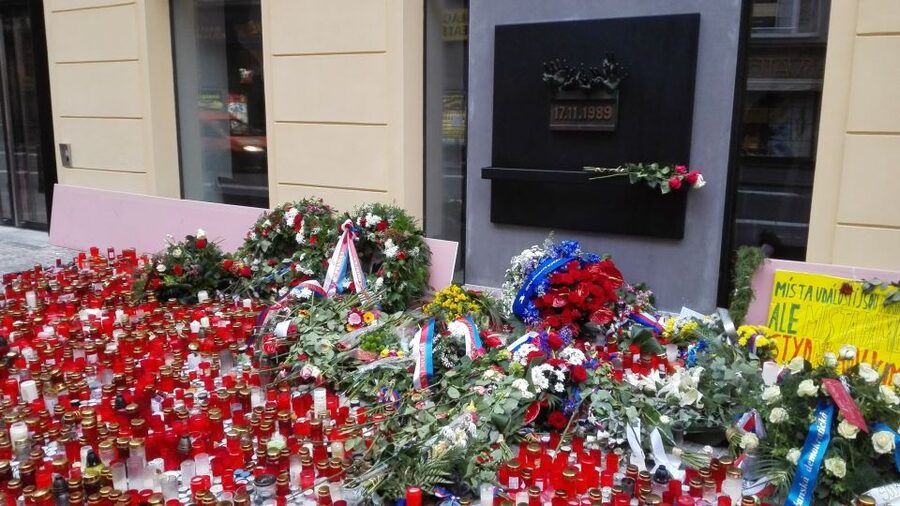
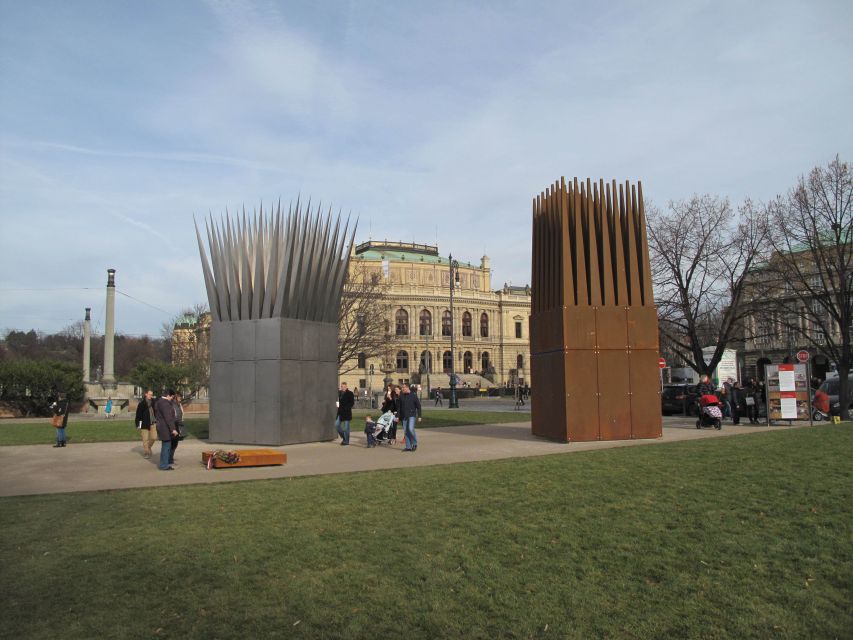
Prague’s past is not all castles and coffeehouses. This three-hour walking tour pairs the Museum of Communism with the streets where the city’s modern history changed direction. You’ll learn about the 1948 Communist coup, the Prague Spring of 1968, and the Velvet Revolution of 1989, then walk through Wenceslas Square and National Avenue with a guide to connect the museum displays to real places.
I like the way the tour combines museum exhibits with city streets, rather than keeping the story behind glass. I also like the personal angle: guides share family stories about life behind the Iron Curtain, including schooling, travel, money, Soviet ties, and the secret police. The main drawback is simple but important: the museum ticket is not included in the $229 price for a group of up to two, so you need to budget for admission separately.
The guide quality matters here. Lenka earned praise for speaking clearly, explaining Prague and Czech history well, and keeping a comfortable pace. Eva was also warmly praised, including by a French-speaking customer. That is useful reassurance for a history tour, where a rushed or unclear guide can turn dates into wallpaper.
In This Review
- Key points to know before booking
- Starting at the Museum of Communism
- The museum’s timeline from 1948 to 1989
- Everyday life behind the Iron Curtain
- Walking Wenceslas Square after the museum
- National Avenue and the final stretch
- Guide style and language options
- Is $229 good value for two people?
- Who should book this Prague history tour?
- Should you book the Museum of Communism tour?
- FAQ
- How long does the Prague Communism Tour and Museum Visit last?
- What is included in the tour price?
- Where does the tour meet?
- Which languages are available?
- What should I bring?
- Can I bring luggage or a large bag?
- Is the tour suitable for small children?
Key points to know before booking
- The museum visit comes first: You meet at the Museum of Communism and enter with your guide before walking through central Prague.
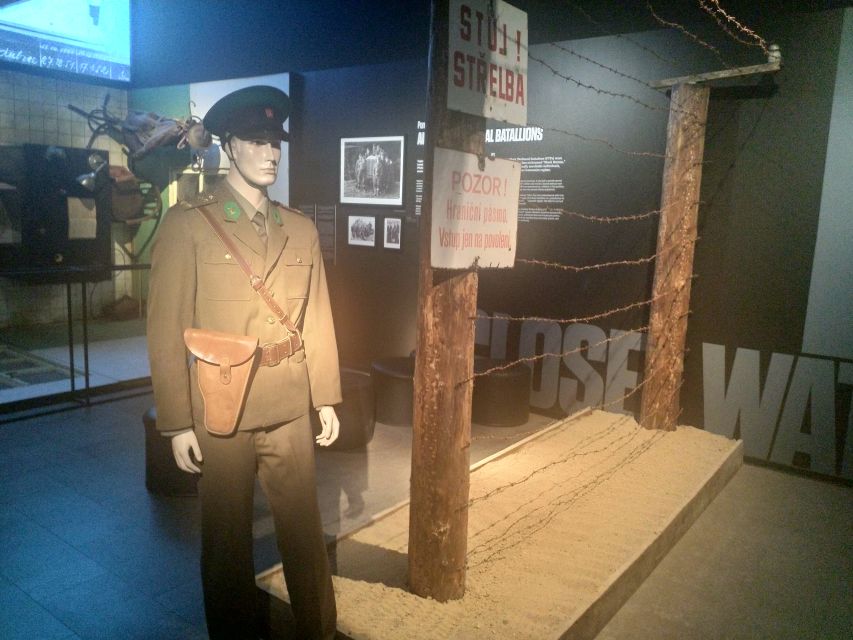
- The history follows the major turning points: The exhibition covers political developments in the first half of the 20th century, the 1948 coup, the Prague Spring, and the 1989 Velvet Revolution.
- Everyday life gets proper attention: Displays cover education, travel, money, Soviet influence, and the secret police, not just leaders and political slogans.
- The street walk adds useful context: Wenceslas Square and National Avenue are linked to the events discussed inside the museum.
- The pace has earned praise: Lenka was specifically noted for clear explanations and a good walking rhythm.
- Plan for extra costs and light packing: Museum admission is separate, and large bags or luggage are not allowed.
Starting at the Museum of Communism
Your meeting point is the cashier at the Museum of Communism in central Prague. Look for a guide holding a placard with your name. This arrangement is practical because you begin at the exact place where the main teaching starts, rather than spending the first part of the tour hunting for a city landmark.
After a short introduction, you go inside with your guide. The ticket is not included, so check the museum admission cost before you commit to the total price. A student card is worth bringing if you may qualify for a reduced admission price.
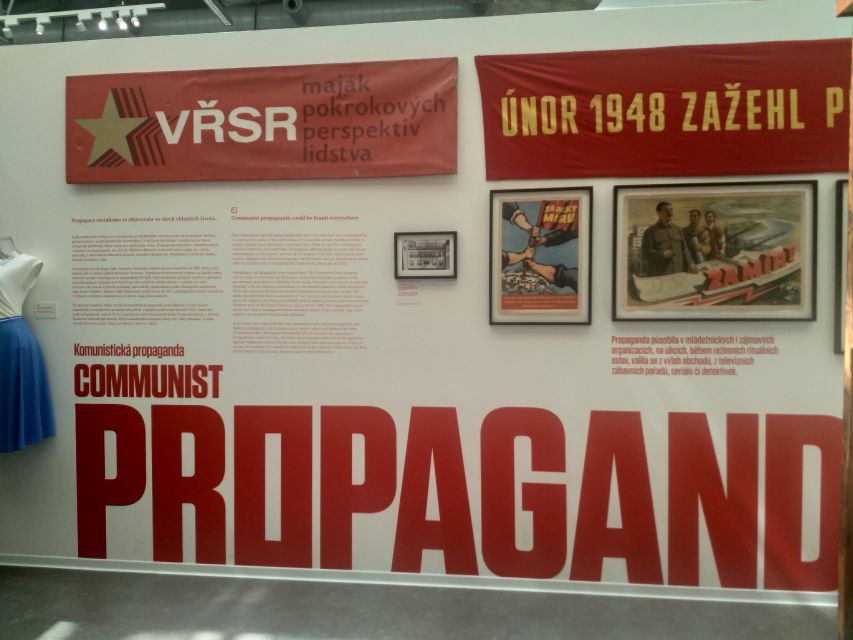
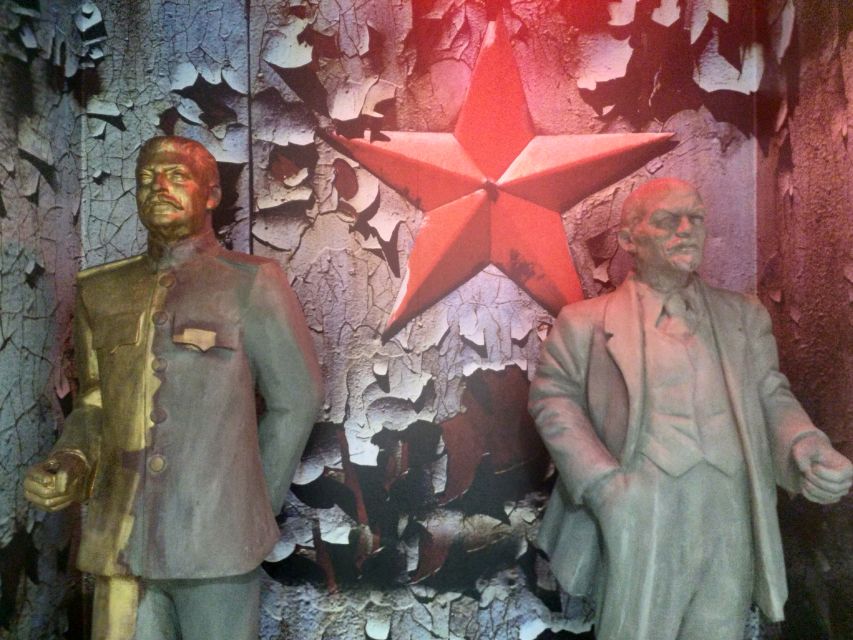
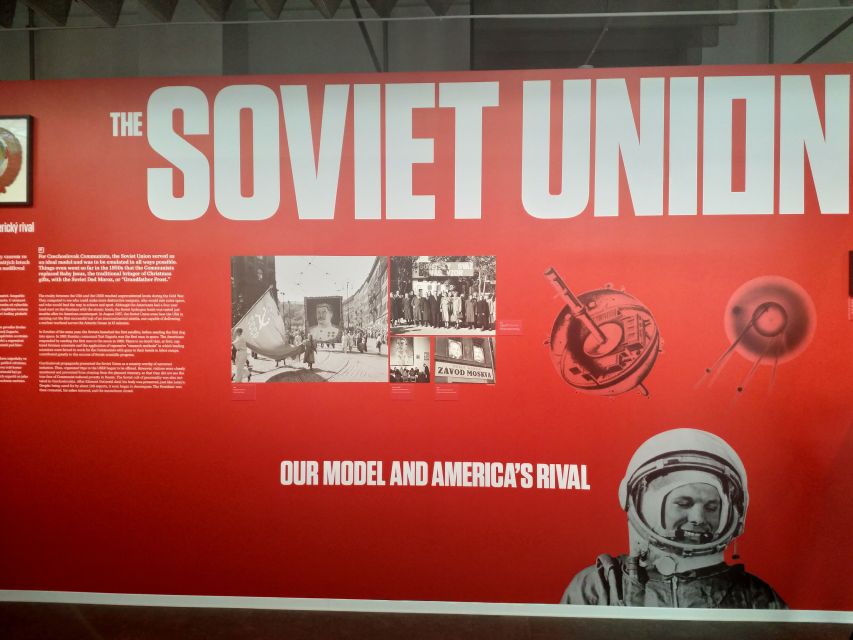
The museum is a sensible starting point because Communist rule can feel abstract when you only hear about dates. Here, everyday objects help show how political decisions affected ordinary routines. The material covers education, the value of money, travel, relationships with the Soviet Union, and the work of the secret police.
That range makes the tour more useful than a simple list of political events. You are not only learning who held power. You are also considering what that power meant when someone went to school, tried to travel, handled money, or faced state surveillance.
The tour is conducted in English, French, or German. The guide stays with you during the museum visit, explaining the displays and adding family stories about life behind the Iron Curtain. Those personal details are especially helpful because official history often leaves out the small choices people made to get through ordinary days.
More communism history tours in Prague:
- Prague: Communism History and Nuclear Bunker Guided Tour
★ 4.7 · 2,417 reviews - Prague Communism History and Nuclear Bunker Tour
★ 5.0 · 1,742 reviews - Communism & Nuclear Bunker Tour + 70s Canteen Lunch (own expense)
★ 5.0 · 1,036 reviews
The museum’s timeline from 1948 to 1989
The exhibition begins with political developments from the first half of the 20th century. That opening section gives you the background needed to understand how Communist power took hold in Czechoslovakia.
The 1948 Communist coup is one of the central events covered. You will hear how the country moved into a new political period and how that shift shaped public life. The guide’s role is important here, since a museum label can state what happened, while a good explanation can show why the event mattered.
The next major point is the Prague Spring of 1968. This period is essential to understanding Czech memories of reform, pressure, and the limits imposed by the Soviet sphere. The museum gives you a place to connect the political story with the human one.
The final major turning point is the Velvet Revolution of 1989. The tour then carries that story outside, where central Prague becomes part of the lesson. This structure gives the experience a clear arc: political change, daily restrictions, reform, repression, and finally the end of Communist rule.
You should not expect a university seminar or a long specialist lecture. The format is a guided introduction for visitors who want a solid understanding of Prague’s 20th-century history in a limited amount of time. The three-hour length gives enough room for explanation without taking over your entire day.
Everyday life behind the Iron Curtain
The most useful part of this experience may be its focus on ordinary life. Political history can become a parade of names and years. Questions about school, travel, money, and surveillance make it easier to understand how a system reached into daily decisions.
The education system receives attention, which helps you consider how young people encountered the state from an early age. The discussion of money gives another practical angle. Currency is not only a financial tool in this setting, but also a clue to what people could buy, save, or afford.
Travel is another revealing topic. The museum’s treatment of travel helps explain that crossing a border was not simply a matter of purchasing a ticket and showing a passport. The detail matters because it puts a human scale on the phrase Iron Curtain.
The connection with the Soviet Union is also covered. That subject helps place Czechoslovakia within the wider political structure of the time, rather than treating Prague as an isolated case.
Then there is the secret police. This is a serious subject, but it is central to understanding why people behaved cautiously and why private opinions could carry public risks. Your guide’s family stories can make these subjects easier to grasp without turning the visit into a dry political briefing.
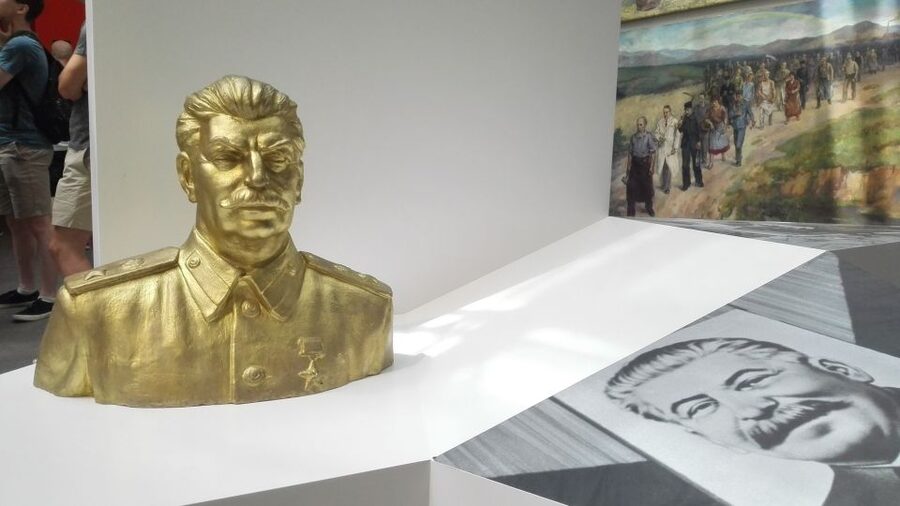
The museum also contains objects that were used in daily life behind the Iron Curtain. Seeing such items can be more effective than hearing a general description. A familiar household object may tell you more about a period than a grand political speech, especially when the guide explains how it fit into daily routines.
Walking Wenceslas Square after the museum
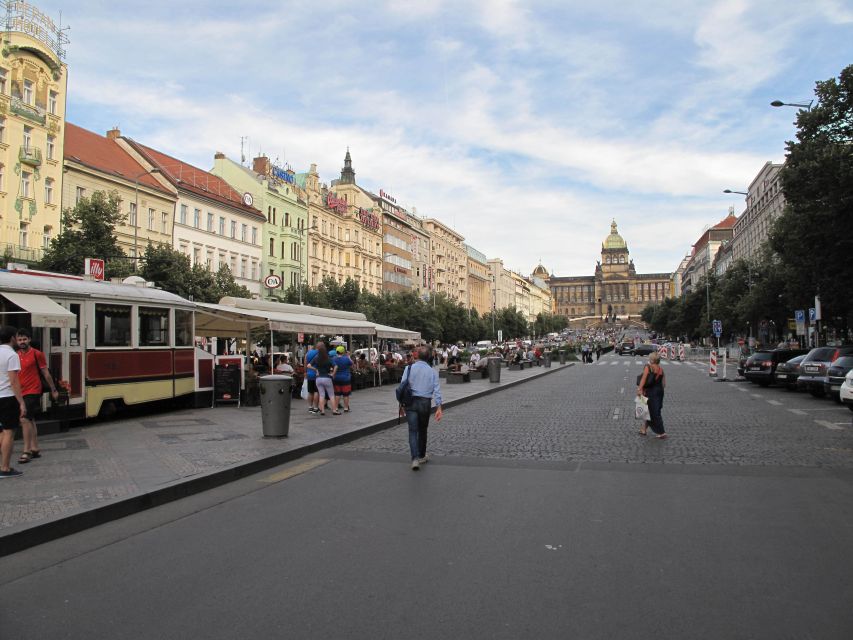
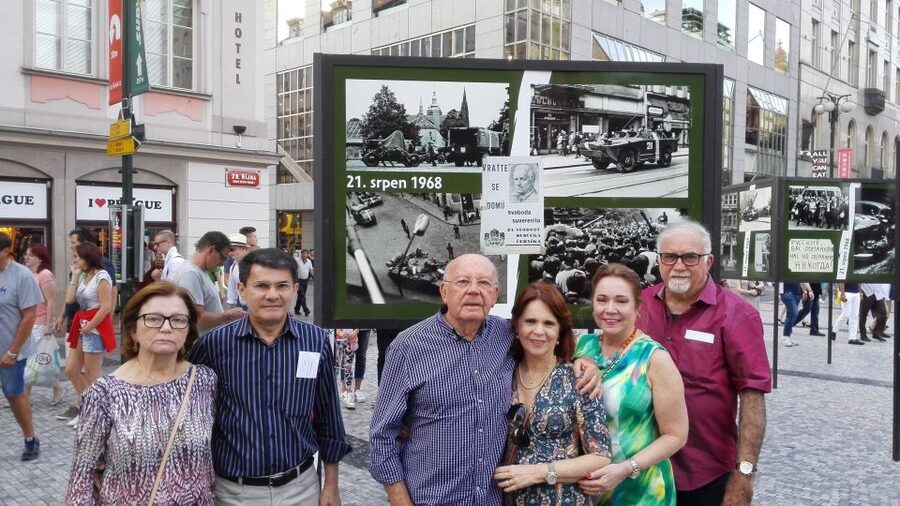
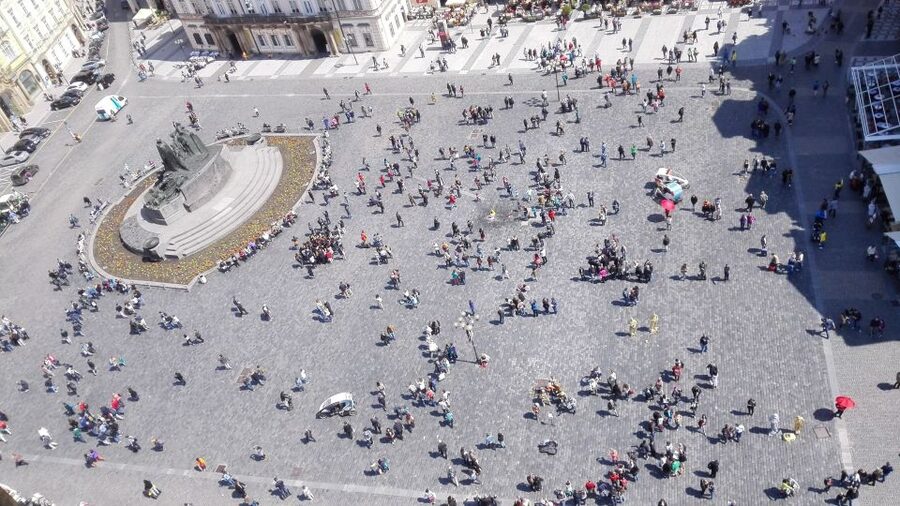
After the museum, the tour moves into Prague’s city center. Wenceslas Square is one of the main stops, and it matters because major events took place there. The square is not treated simply as a large open space for photographs. Your guide connects it to the political developments you have just studied.
That order is a strength. You first gain a basic timeline indoors, then see the places where history unfolded in public. The result is easier to follow than beginning with a square and trying to understand its importance without any background.
Wenceslas Square also gives the tour a change of pace. After museum displays and historical explanations, you are walking through the city as it operates today. The contrast can sharpen your sense of how much political meaning a familiar public place can carry.
The walking portion is in central Prague, and the tour ends in the city center. No separate transport is listed, so you should expect this to be a walking experience rather than a bus or taxi-based excursion. Wear practical shoes and avoid bringing a large bag.
More Museum Tours in Prague:
- Prague: Museum of Fantastic Illusions Entry Ticket
★ 4.3 · 4,337 reviews - IAM Illusion Art Museum Entry Ticket
★ 4.2 · 1,664 reviews - Prague: Museum of Senses Admission Ticket
★ 4.0 · 1,445 reviews - IAM Illusion Art Museum Prague Fast Pass Ticket
★ 5.0 · 957 reviews
National Avenue and the final stretch
National Avenue is the other major street connected to the tour. The guide uses it to continue the story of Prague’s political changes and the events around the Velvet Revolution.
This final section helps prevent the museum from feeling sealed off from modern Prague. You have already seen objects and read about political shifts. Now you walk through locations tied to public action and change.
The route is also useful if you want a compact introduction to central Prague beyond the usual old-town checklist. This is not a broad sightseeing circuit, and it does not try to cover every famous building. Its purpose is narrower: to show you where the city’s Communist-era story played out.
That focus is worth keeping in mind before booking. If you want a general introduction to Prague’s architecture, food, or medieval sights, choose a different walking tour. If you want to understand why certain central streets matter to Czech history, this route fits better.
Guide style and language options
The guide can lead the experience in English, French, or German. That makes the tour useful for a wider range of visitors, but confirm your preferred language when booking because the guide assignment matters greatly on a history-heavy walk.
Lenka was praised for speaking clearly, explaining Czech history well, and keeping a good pace. Those are not minor points. Clear speech helps when you are hearing unfamiliar names and political terms, while a steady pace gives you time to absorb the material without feeling trapped in one display.
Eva received equally warm praise, including a French-language compliment describing her as an exceptional guide. The available feedback is small, so I would not treat it as a guarantee that every departure will feel identical. Still, the named praise points to the personal quality this experience aims for.
The best guides on a subject like this do more than repeat museum panels. They help you understand what changed, who felt the effects, and why the city still remembers these events. This tour is a good fit if you value explanation and conversation more than rushing from one photo stop to another.
Is $229 good value for two people?
The price is $229 per group of up to two people. That means the cost is not calculated per person, which may work well for a pair who wants a guided experience without joining a large group. For one person, the price is harder to justify unless you place a high value on having a dedicated guide.
You also need to add the museum admission because it is excluded. That weakens the headline value, especially for budget-conscious visitors. Before booking, calculate the guide fee plus two museum tickets and compare that total with a standard group walking tour.
The value improves if you want more than a museum entrance. You are paying for a three-hour experience that includes guided interpretation inside the museum, a second look through the exhibition on your own after the guided portion, and a walk through Wenceslas Square and National Avenue.
That combination saves you from handling the historical connections alone. You could visit the museum independently, but then you would need to make your own links between the objects, the political timeline, and the central Prague locations.
The tour also offers reserve-now-and-pay-later booking, which keeps your cash free until closer to the visit. You can cancel for a full refund up to 24 hours in advance. Those terms are useful when your Prague schedule is still shifting, although they do not change the separate museum ticket cost.
Who should book this Prague history tour?
I would recommend it to adults, older teenagers, students, and anyone who wants a clearer understanding of Czech history beyond the city’s medieval center. It is especially well suited to visitors who prefer a guide to explain the meaning behind museum displays.
Bring a student card if you have one. Leave luggage and large bags behind, since they are not allowed. The activity is not suitable for small children, largely because the subject matter and museum format require sustained attention.
You should also choose this tour if you appreciate personal stories. The family accounts about life behind the Iron Curtain add a human layer to the political history. They can help you picture how big events affected homes, schools, travel plans, and private conversations.
You may want to skip it if your time in Prague is extremely short and you only want major landmarks, or if you dislike museum visits. The experience is built around history, explanation, and walking, not entertainment or quick sightseeing.
Should you book the Museum of Communism tour?
Book this tour if you want a focused, three-hour introduction to Communist Prague and prefer to learn through a guide rather than labels alone. The strongest features are the combination of museum exhibits and real city locations, the attention to daily life, and the praised clarity of guides such as Lenka and Eva.
Think twice if the $229 group price feels high after adding museum admission. You can get the most value by sharing the booking with one other person, bringing a student card if relevant, and setting aside enough time to revisit the exhibition on your own after the guided section.
For the right visitor, this is a thoughtful way to understand why Wenceslas Square and National Avenue matter. It gives Prague’s recent past a human scale, then sends you back into the city with more than a collection of dates.
FAQ
How long does the Prague Communism Tour and Museum Visit last?
The tour lasts three hours, including the museum visit and the walk through central Prague.
What is included in the tour price?
A tour guide is included. Admission to the Museum of Communism is not included.
Where does the tour meet?
You meet at the cashier of the Museum of Communism in the city center. The guide holds a placard with your name.
Which languages are available?
The tour is available in English, French, and German.
What should I bring?
Bring a student card if you may qualify for a student admission rate.
Can I bring luggage or a large bag?
No. Luggage and large bags are not allowed on the tour.
Is the tour suitable for small children?
No. The activity is not suitable for small children.
Newest listings in Prague
- World War II 4WD Tour from Prague with Lunch★ 4.4 · 3 reviews
- Prague: Historical Walking Tour with Focus on World War 2★ 4.3 · 12 reviews
- WWII and Communism History in Prague’s Old Town Private Tour★ 5.0 · 4 reviews
- Wroclaw: Giant Mountains & Valley of Palaces Day Tour★ 4.8 · 36 reviews
- Walking tour of Prague in French : Nové Město★ 4.9 · 16 reviews
- Walking tour of Prague in french: Old Town & Charles Bridge★ 4.9 · 62 reviews
- Vltava River Cruise and Private Tour of Prague’ Old Town★ 5.0 · 1 review
- Ultimate Unlimited Beer Pong with Czech Beer★ 4.6 · 5 reviews
Communism History Tours, compared.
Communism History and Nuclear Bunker Guided Tour
Read our review →
Prague Communism History and Nuclear Bunker Tour
Read our review →
Communism & Nuclear Bunker Tour + 70s Canteen Lunch (own expense)
Read our review →
Communism and Bunker Tour with 70s Canteen Lunch
Read our review →
Second World War & Communism (Tip-based 3 hour tour)
Read our review →
Skip the Line: 10-Z Bunker Entrance Ticket in Brno
Read our review →Browse the lists this tour appears in