
REVIEW · COMMUNISM HISTORY TOURS
Communism in Prague Private Tour of the Old Town and Museum
The past is still visible here. This private Prague tour links Old Town landmarks with the 1948 Communist takeover, Soviet occupation, Prague Spring, and the Velvet Revolution. I like the private format, since your guide can shape the conversation around your interests. I also like the route through places tied to real events, including Wenceslas Square and Národní Street.
The main drawback is the choice between two and four hours. The shorter tour covers the outdoor history well, but the Museum of Communism is only included on the four-hour option. At $104 per person, the tour offers good value for a private guide, though the price makes the most sense if you want serious historical context rather than a quick sightseeing walk.
In This Review
- Key points to know before booking
- Why Prague’s Communist past belongs in your sightseeing plan
- Starting at Staroměstské náměstí
- Old Town landmarks with a 20th-century story
- Finding the marks of war and occupation
- The old secret police headquarters
- Národní Street and the Velvet Revolution
- Wenceslas Square and the end of one-party rule
- What the four-hour museum option adds
- Is $104 per person a fair price?
- Who should book this private Prague tour?
- Practical tips for getting more from the experience
- Should you book it?
- FAQ
- Where does the tour meet?
- How long does the tour last?
- Is the Museum of Communism included?
- What does the two-hour tour cover?
- What does the Museum of Communism exhibition cover?
- Which languages are available?
- Is this a private tour?
- Is the tour wheelchair accessible?
- Can I cancel for a full refund?
Key points to know before booking
- Begin at Staroměstské náměstí: Prague’s oldest city square is tied directly to the Communist declaration of power in 1948.
- Follow the Velvet Revolution: Wenceslas Square and Národní Street help explain how mass protests challenged one-party rule.
- See Old Town through a different lens: The Astronomical Clock, St Nicholas Church, and Týn Church become reference points for modern Czech history.
- Choose four hours for the museum: The longer option includes the Museum of Communism and its coverage of propaganda, censorship, politics, education, and daily life.
- Ask for the language and focus you want: Guides are available in English, French, German, Italian, Polish, Russian, Spanish, and Czech.
- Plan for a private discussion: This is not a large group lecture. Your guide can tailor the route and explanations to your interests.
Why Prague’s Communist past belongs in your sightseeing plan
Prague can look like a city of Gothic towers, Baroque churches, and elegant squares. That picture is accurate, but incomplete. Much of the city’s modern identity was shaped by events after World War II, when Nazi rule ended but Soviet influence soon took hold.
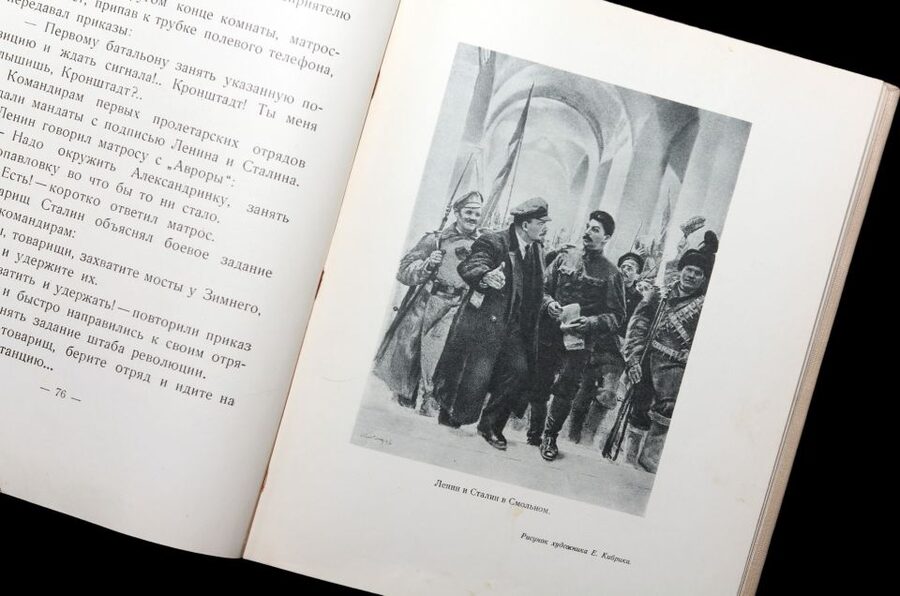
This tour gives you a way to connect the grand sights with the political events that changed everyday life. You hear about the 1948 Czechoslovak coup d’état, the growth of Soviet control, the Prague Spring reforms, and the eventual collapse of Communist rule in 1989.
I find this kind of tour especially useful early in a Prague visit. It gives you a framework for understanding memorials, public buildings, protest sites, and the cautious way modern Czech society remembers the 20th century. The focus is not only on political leaders. You also hear about government, the economy, social welfare, education, art, sport, mass media, and censorship.
That wider view matters. Communism was not simply a sequence of speeches and official dates. It affected what people could read, how institutions operated, and how families managed daily life. A good guide can turn those broad subjects into something you can follow while walking through the city.
More communism history tours in Prague:
- Prague: Communism History and Nuclear Bunker Guided Tour
★ 4.7 · 2,417 reviews - Prague Communism History and Nuclear Bunker Tour
★ 5.0 · 1,742 reviews - Communism & Nuclear Bunker Tour + 70s Canteen Lunch (own expense)
★ 5.0 · 1,036 reviews
Starting at Staroměstské náměstí
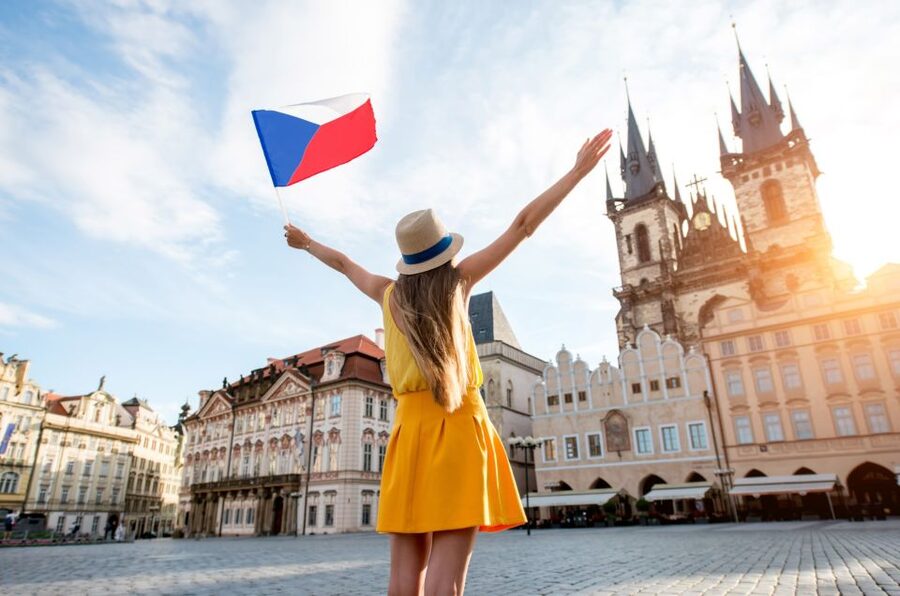
The meeting point is in front of the World of Franz Kafka at Náměstí Franze Kafky 16/1, in Prague’s Old Town. From there, the walk begins near Staroměstské náměstí, the city’s oldest square.
This is a strong place to start because the square is both visually grand and politically important. In 1948, the Communist Party declared its takeover of power in Czechoslovakia here. Your guide uses that moment to explain how postwar political conditions allowed the Communist Party to take control.
The square itself can be crowded with sightseeing groups, clock-watchers, and people crossing between Old Town attractions. That activity may make a quiet historical discussion harder to hear, so stay close to your guide and listen carefully at the opening stop.
The benefit of a private group is clear here. You can ask for more detail about the coup, the postwar Soviet occupation, or the difference between official political claims and life under a one-party system. If your interest is stronger in politics than architecture, say so at the beginning.
Old Town landmarks with a 20th-century story
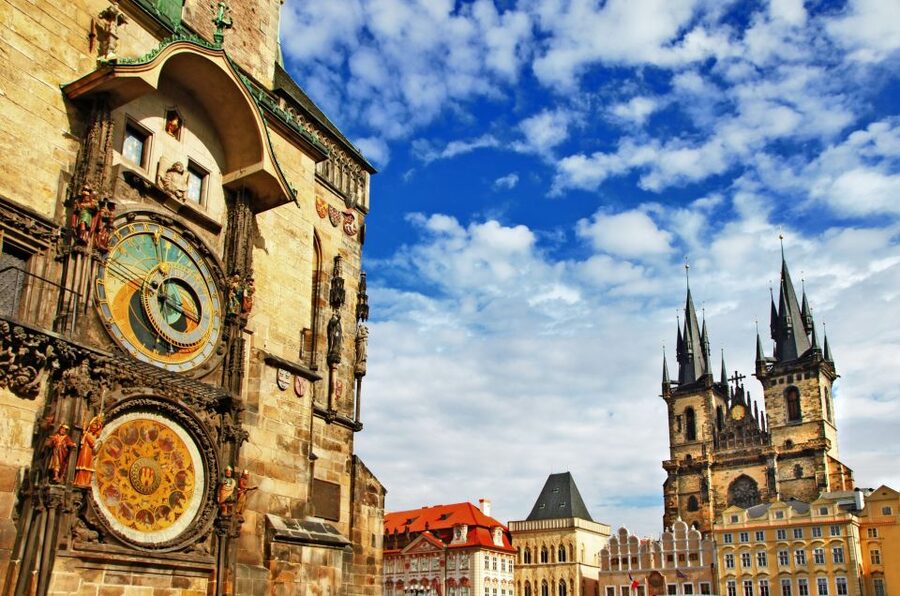
The route continues past the Astronomical Clock, St Nicholas Church, and the Church of Our Lady Before Týn. These buildings are much older than the Communist era, but they help your guide place modern Czech history within the longer story of Prague.
The Astronomical Clock is usually treated as a medieval attraction. On this tour, it becomes part of a discussion about how the city changed under Communist rule. St Nicholas Church and Týn Church offer a reminder that Prague’s identity was formed long before the 20th century, while the political system of 1948 to 1993 tried to reshape public life around socialist ideals.
You should not expect long interior visits at these sights. The main purpose is the outdoor route and the explanation connected to each location. If you want a tour focused on church art, architecture, or medieval Prague, this is not the right choice. The landmarks serve as historical markers rather than the main attractions.
One useful feature is the contrast between the beauty of Old Town and the harder subjects being discussed. You may be looking at ornate façades while hearing about political control, economic restrictions, and the limits placed on public expression. That contrast is part of what makes the route memorable.
Finding the marks of war and occupation
The tour also points out remains of World War II damage in Prague’s Old Town. These traces can be easy to miss when you are focused on towers and church fronts, so having a guide identify them adds real value.
The story does not stop with the defeat of Nazi Germany in 1945. The tour explains that occupation and political pressure continued in another form, with Soviet influence shaping Czechoslovakia after the war. This is an important correction to the simple idea that liberation in 1945 brought an immediate return to normal democratic life.
You will hear about the rise of the Czechoslovak Socialist Republic and the changes that followed. The discussion includes the nationwide Stalinization of public and political life, along with the structure of the Communist government and its effects on society.
This section may feel more serious than a standard city walk. That is a strength if you want context, but it can also be demanding if your group prefers light sightseeing. The private setup helps because you can ask the guide to explain terms and events at a pace that works for you.
More Museum Tours in Prague:
- Prague: Museum of Fantastic Illusions Entry Ticket
★ 4.3 · 4,337 reviews - IAM Illusion Art Museum Entry Ticket
★ 4.2 · 1,664 reviews - Prague: Museum of Senses Admission Ticket
★ 4.0 · 1,445 reviews - IAM Illusion Art Museum Prague Fast Pass Ticket
★ 5.0 · 957 reviews
The old secret police headquarters
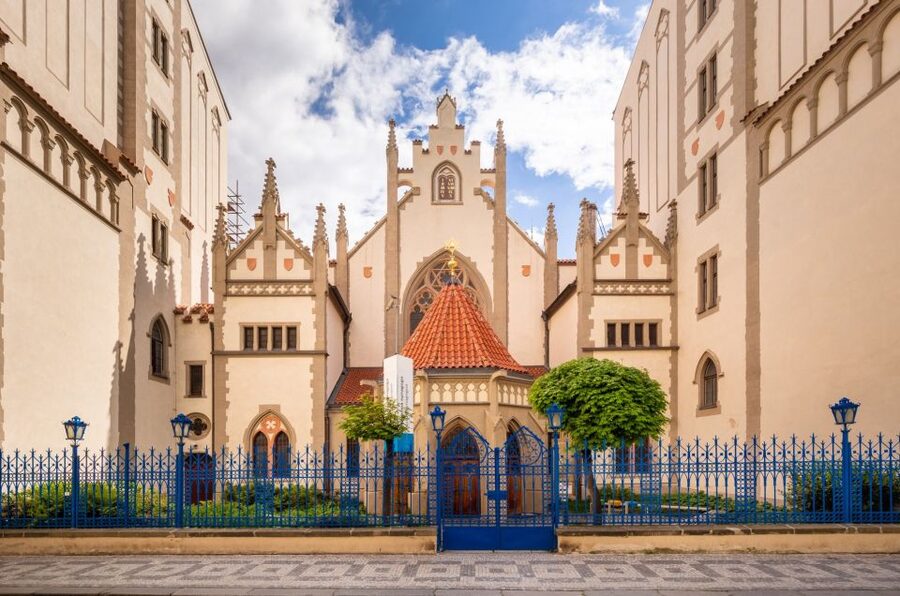
One of the more distinctive outdoor stops is the former police station that served as the headquarters of the Czechoslovak Secret Police. The building itself may not look as dramatic as Prague’s churches or squares, but its role gives the stop weight.
This is where the tour moves from broad political history to the machinery of control. Your guide can connect the building with surveillance, political pressure, and the treatment of people considered a threat to the Communist system.
I appreciate stops like this because they make an abstract subject more concrete. It is easier to understand the reach of a security service when you are standing at a place connected with its work. The stop also helps explain why censorship and fear mattered even when there was no visible protest in the streets.
The supplied information does not promise entry to the former police station, so expect to learn about it from outside. That is worth knowing if you prefer tours with many interior visits. This experience is mainly a walking history lesson, with the Museum of Communism added only to the longer option.
Národní Street and the Velvet Revolution
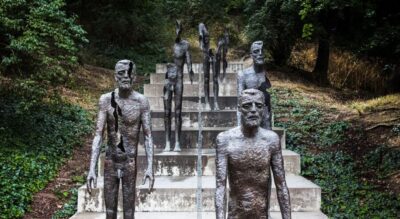
The walk includes the Velvet Revolution Memorial on Národní Street. The memorial honors Czech students who were confronted by riot police on November 17, 1989.
This stop helps explain how a student demonstration became part of a much larger national movement. The guide describes the protests, the mass gatherings, and the public pressure that challenged one-party rule.
The name Velvet Revolution reflects the largely peaceful nature of the political change, but the events were not casual or effortless. The confrontation with riot police showed the risks faced by demonstrators. From this point, the tour helps you follow the quick breakdown of Communist power and the political, economic, and social changes that came after it.
Národní Street is an important stop for anyone interested in modern European history. It also gives younger visitors a clear example of how students and ordinary citizens can influence national politics. Ask your guide to spend time on the sequence of events if you want more than a short explanation.
Wenceslas Square and the end of one-party rule
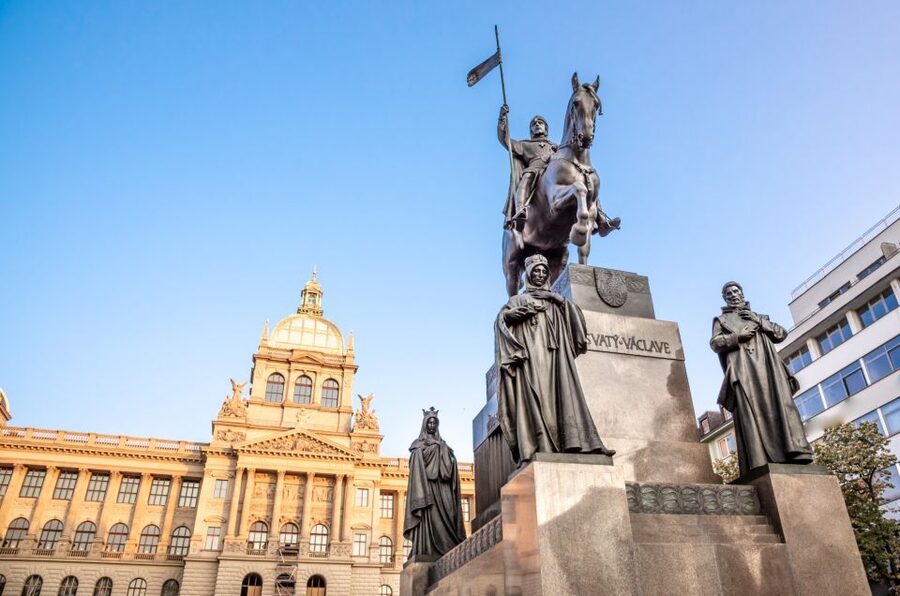
Wenceslas Square was the main public stage for the Velvet Revolution protests. Its broad urban space made it possible for large demonstrations to gather, and the tour uses the square to bring the 1989 events into focus.
You hear about loud mass demonstrations against the Communist government and the political pressure that followed. The square also connects to the story of student Jan Palach, whose suicide became a powerful symbol of opposition after the Soviet-led suppression of the Prague Spring.
Palach’s story is difficult, and the guide’s explanation may be one of the most emotional parts of the walk. It helps you understand the despair created by the loss of reform hopes and the continuing pressure of the regime. At the same time, you should be prepared for a sober discussion rather than a cheerful sightseeing stop.
Wenceslas Square is still one of Prague’s main public spaces. Cars, shops, hotels, and daily city traffic surround it. That normal activity can make the earlier protests feel distant, which is exactly why a guide is useful. The tour asks you to picture the crowds and political tension that once filled the same space.
What the four-hour museum option adds
The two-hour route gives you the main outdoor sites. The four-hour option adds the Museum of Communism, with admission included.
The museum exhibition is organized around Communism as a dream, a reality, and a nightmare. That structure gives the longer tour a useful shape. Instead of hearing about events only at their locations, you can examine how the system presented itself, how it operated, and how it affected people.
The museum covers:
- Daily life and social welfare
- Government and politics
- Economics and education
- Sport and art
- Mass media and propaganda
- Censorship
- Political trials and executions
This wider range is the strongest reason to choose four hours. Outdoor stops explain where events happened. The museum adds objects, displays, and themes that help you understand how the system worked across society.
You will need more stamina for the longer choice. Four hours of walking and museum interpretation is a substantial block of a sightseeing day, especially if you are also visiting Prague Castle or other major attractions. Still, if Communism is a central interest, the extra time gives the subject the attention it deserves.
The museum ticket is not included in the basic two-hour option. If you choose the shorter tour and later decide to visit the museum, you will need to buy admission separately. For most people who want the museum, booking the four-hour option is the simpler and better-value choice.
Is $104 per person a fair price?
At $104 per person, this is not a budget walking tour. You are paying for a private group, a live guide, a custom itinerary, and, with the four-hour option, museum admission.
The value depends heavily on your group size and your interest in the subject. For a couple or a small group that wants personal discussion in a chosen language, the private format can justify the cost. You are not sharing the guide’s attention with a large crowd, and you can ask for more detail on the areas that matter to you.
The price is harder to defend if you want only a quick introduction to Prague. The two-hour option covers important places, but it does not include museum admission. A standard city walk may cost less if your main goal is architecture or general orientation.
I would compare the price with the cost of hiring a private guide for a similar period. The tour becomes more attractive if you value a prepared historical route and want a guide who can connect events across several parts of Old Town. The four-hour option offers the strongest value because it combines the walk with the museum.
Who should book this private Prague tour?
I would recommend it to you if modern European history is a major part of your trip. It also suits visitors who want to understand Prague beyond medieval streets and castle views.
The tour works well for:
- Adults and older students interested in politics or history
- Visitors who want a private guide rather than a large group
- Families who need explanations adjusted to different ages
- People curious about daily life under Communism
- Anyone planning to visit the Museum of Communism
- Visitors who prefer a focused subject tour to a general city overview
It may not suit you if you want a relaxed walk with little political discussion. The subject includes surveillance, repression, political trials, executions, protest, and suicide. The content is serious, and the value comes from listening and asking questions.
The route is wheelchair accessible, which is useful for planning, though the supplied information does not give detailed notes about every surface or museum access point. Confirm specific mobility needs when booking.
Practical tips for getting more from the experience
Choose the four-hour option if you want the museum. The outdoor route alone gives a solid introduction, but the museum adds the material needed to understand propaganda, censorship, education, economics, and daily life.
Tell your guide what interests you before the walk starts. The itinerary can be tailored to your needs, so ask for more attention to the 1948 coup, the Prague Spring, the Velvet Revolution, social welfare, or everyday life.
Check your email the day before the tour. Important information is sent then, and the meeting point is in front of the World of Franz Kafka in Old Town.
Wear comfortable shoes. The tour lasts two to four hours and includes a walking route through central Prague. Check the available starting times when you book, since the schedule varies.
The guide service is offered in English, French, German, Italian, Polish, Russian, Spanish, and Czech. Select the language that lets you ask questions easily. Historical terms can be hard to follow in a language you only partly understand.
Free cancellation is available up to 24 hours in advance for a full refund, and you can reserve now while paying later. Those options help if your Prague schedule is still shifting.
Should you book it?
Book this tour if you want Prague’s 20th-century story explained at the places where it unfolded. I especially recommend the four-hour version for anyone who wants the Museum of Communism and a fuller look at daily life under the regime.
Choose the two-hour walk if your schedule is tight or you mainly want the outdoor landmarks, the Secret Police site, Národní Street, and Wenceslas Square. Just remember that the museum is not included and its ticket is separate.
For a private group willing to spend $104 per person on serious historical context, this is a useful and focused experience. It will not replace a general Prague sightseeing tour, but it can change the way you see the city after the Gothic façades fade into the background.
FAQ
Where does the tour meet?
Meet your guide in front of the World of Franz Kafka at Náměstí Franze Kafky 16/1, 110 00 Staré Město, Czechia.
How long does the tour last?
You can choose a two-hour or four-hour option. Starting times depend on availability.
Is the Museum of Communism included?
Museum admission is included only with the four-hour option. It is not included with the basic two-hour tour.
What does the two-hour tour cover?
The two-hour tour is a walking route through Prague’s Old Town. It includes Staroměstské náměstí, the Astronomical Clock, St Nicholas Church, the Church of Our Lady Before Týn, the former Secret Police headquarters, Národní Street, and Wenceslas Square, with the exact number of attractions depending on the selected option.
What does the Museum of Communism exhibition cover?
The exhibition covers daily life, politics, sport, economics, education, art, mass media, propaganda, censorship, political trials, and executions in 20th-century Czech history.
Which languages are available?
Live guides are available in English, French, German, Italian, Polish, Russian, Spanish, and Czech.
Is this a private tour?
Yes. The experience is arranged for a private group.
Is the tour wheelchair accessible?
Yes, the activity is listed as wheelchair accessible.
Can I cancel for a full refund?
Yes. You can cancel up to 24 hours in advance for a full refund. The booking also allows you to reserve now and pay later.
Newest listings in Prague
- World War II 4WD Tour from Prague with Lunch★ 4.4 · 3 reviews
- Prague: Historical Walking Tour with Focus on World War 2★ 4.3 · 12 reviews
- WWII and Communism History in Prague’s Old Town Private Tour★ 5.0 · 4 reviews
- Wroclaw: Giant Mountains & Valley of Palaces Day Tour★ 4.8 · 36 reviews
- Walking tour of Prague in French : Nové Město★ 4.9 · 16 reviews
- Walking tour of Prague in french: Old Town & Charles Bridge★ 4.9 · 62 reviews
- Vltava River Cruise and Private Tour of Prague’ Old Town★ 5.0 · 1 review
- Ultimate Unlimited Beer Pong with Czech Beer★ 4.6 · 5 reviews
Communism History Tours, compared.
Communism History and Nuclear Bunker Guided Tour
Read our review →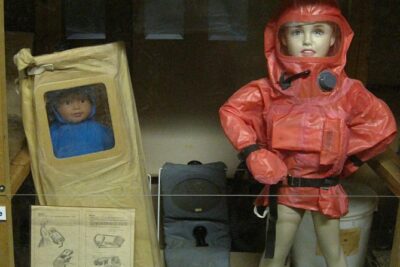
Prague Communism History and Nuclear Bunker Tour
Read our review →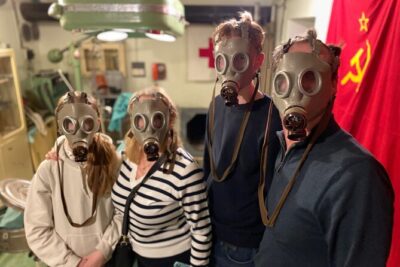
Communism & Nuclear Bunker Tour + 70s Canteen Lunch (own expense)
Read our review →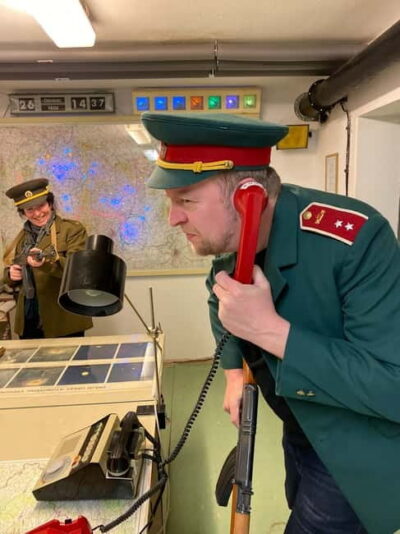
Communism and Bunker Tour with 70s Canteen Lunch
Read our review →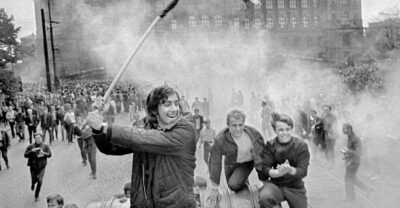
Second World War & Communism (Tip-based 3 hour tour)
Read our review →
Skip the Line: 10-Z Bunker Entrance Ticket in Brno
Read our review →Browse the lists this tour appears in