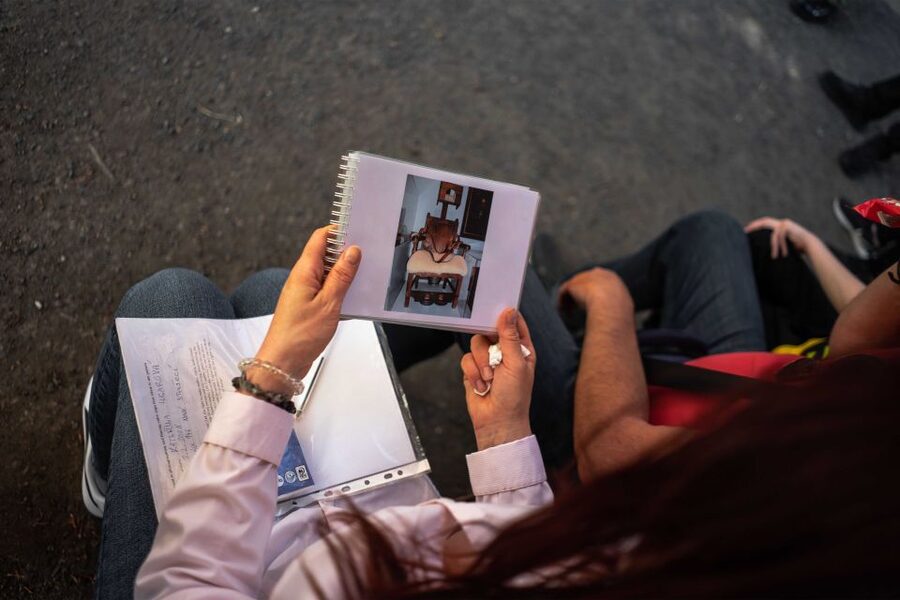
REVIEW · TOURS
Prague: Psychiatric Hospital and Abandoned Cemetery Tour
Prague has a darker story to tell. This unusual three-hour tour takes you through the still-functioning Bohnice Psychiatric Hospital and its abandoned cemetery, linking medieval rituals, lobotomies, and modern psychiatric research. I like the honest look at mental health care and the chance to see a working institution rather than a polished museum. I also like the small-scale, story-led format, especially when the guide connects the grounds to patients and staff from the hospital’s past.
The main thing to consider is the setting. This is a real psychiatric hospital, with patients present, not a staged haunted attraction. The subject matter includes institutional treatment, stigma, crime, death, and disturbing medical practices, so I would not choose it for small children or anyone looking for light entertainment.
In This Review
- What makes this Bohnice tour different
- Arriving at Psychiatric Hospital Bohnice
- Inside the hospital: psychiatry before modern medicine
- Why the working hospital matters
- The cemetery promenade and its lost souls
- The guides and the quality of the storytelling
- Is $32 a fair price?
- Who should book this experience?
- Practical advice before you go
- Should you book the Bohnice hospital and cemetery tour?
- FAQ
- Where does the tour start?
- How long does the tour last?
- How do I reach Bohnice by public transport?
- How much does a taxi from central Prague cost?
- Is the tour conducted in English?
- Is the psychiatric hospital still operating?
- Is the tour suitable for children?
- What should I bring?
- Can I cancel the booking?
What makes this Bohnice tour different
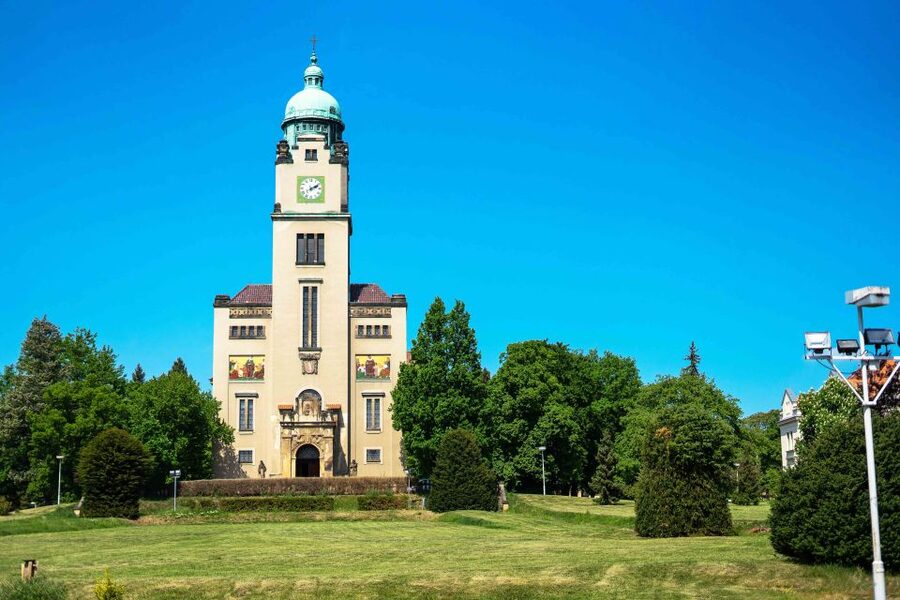
- You enter a functioning psychiatric hospital, not a recreated asylum or theatrical horror venue.
- The two-and-a-half-hour hospital walk covers centuries of psychiatric care, from mystic rituals to lobotomies and the famous Rosenhan experiment.
- The abandoned cemetery adds a quiet, eerie second half, with graves connected to patients, criminals, and other people once forgotten by society.
- Guide Tina has received particular praise for clear explanations, hospital anecdotes, and a warm, passionate approach.
- The tour costs about $32 per person, a fair price for three hours of guided walking and specialized local history.
- Uber or Bolt can save time, with a ride from central Prague costing about 350 CZK, or roughly 15 EUR.
Arriving at Psychiatric Hospital Bohnice
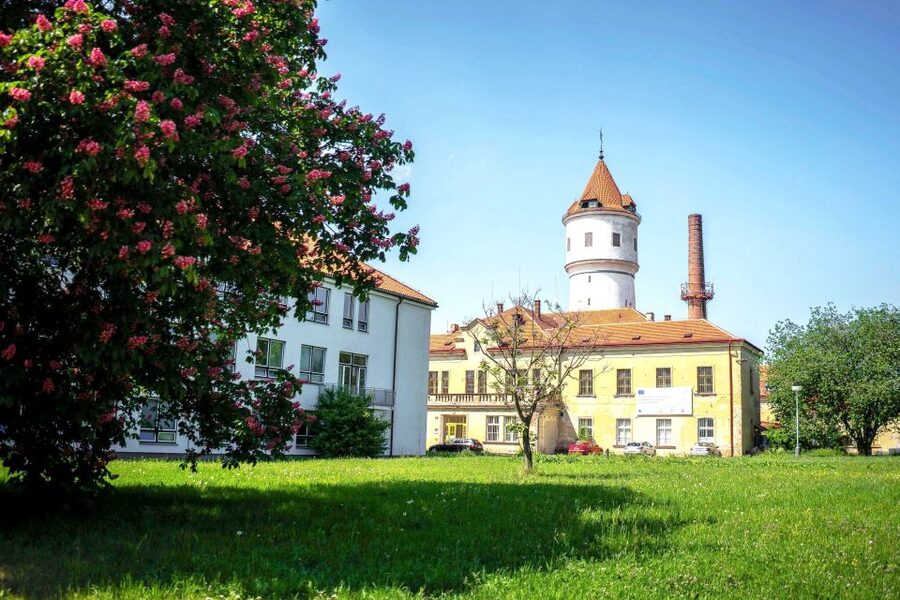
The meeting point is in front of the gate at Psychiatric Hospital Bohnice, Ústavní 91, 181 00 Praha 8. Bohnice is outside Prague’s historic center, so allow time to reach the northern edge of the city.
Public transport is perfectly workable. Take metro line C to Kobylisy, then leave through the exit marked Katastrální úřad. From there, take bus 177 toward Poliklinika Mazurská or bus 200 toward Sídliště Bohnice. Get off at Katovická.
The final walk is not hard, but the directions deserve attention. After leaving the bus, turn around and walk opposite the direction of your bus until you reach the first crossroads. Turn left onto Ústavní Street, then continue to the metal gate marked 91.
I would save the address and directions before leaving central Prague. A taxi, Uber, or Bolt is simpler, particularly if you have a tight schedule or do not want to work out the last stretch. The quoted fare from central Prague is around 350 CZK, or 15 EUR, though the actual price can change.
Wear comfortable shoes and bring a reusable water bottle. This is a walking tour on institutional grounds, with a second walk through the cemetery. Nothing suggests a strenuous hike, but you will be on your feet for most of the three hours.
A few more Prague options to compare
- Prague: 50-Minute Sightseeing Evening Cruise
★ 4.2 · 33,780 reviews - Prague: Medieval Dinner with Unlimited Drinks
★ 4.4 · 19,847 reviews - Prague: Skip-the-line Castle Ticket and Optional AudioGuide
★ 4.3 · 11,121 reviews
Inside the hospital: psychiatry before modern medicine
The first part lasts about two and a half hours and focuses on the hospital and the story of psychiatry in Europe. The value here is context. Instead of treating the building as a spooky backdrop, the guide explains how ideas about mental illness changed over time.
The tour reaches back to medieval beliefs, when behavior that is now viewed through medical terms could be explained through mystic rituals, possession, or moral failure. From there, the story moves toward institutional treatment and the growing attempt to classify and manage mental disorders.
You will hear about methods that now seem shocking or impossible to understand. Lobotomies are one example. The subject is uncomfortable, but it helps explain how medical theories can gain support in their own time and later appear deeply misguided.
That history also gives the tour a serious purpose. It asks you to think about the people behind old diagnoses and treatments, many of whom were stigmatized and separated from ordinary society. The hospital is not simply an old place with ghost stories. It represents a long, troubled effort to understand the mind.
The guide also covers the Rosenhan experiment, a well-known study connected to psychiatric diagnosis and institutional care. This provides a bridge between older treatment methods and modern questions about how mental illness is identified, interpreted, and treated.
I would pay close attention during this section. The material is broad, and the hospital has many stories to tell. A strong guide makes the difference by explaining the facts and linking them to the rooms, wards, grounds, and people associated with the institution.
Why the working hospital matters
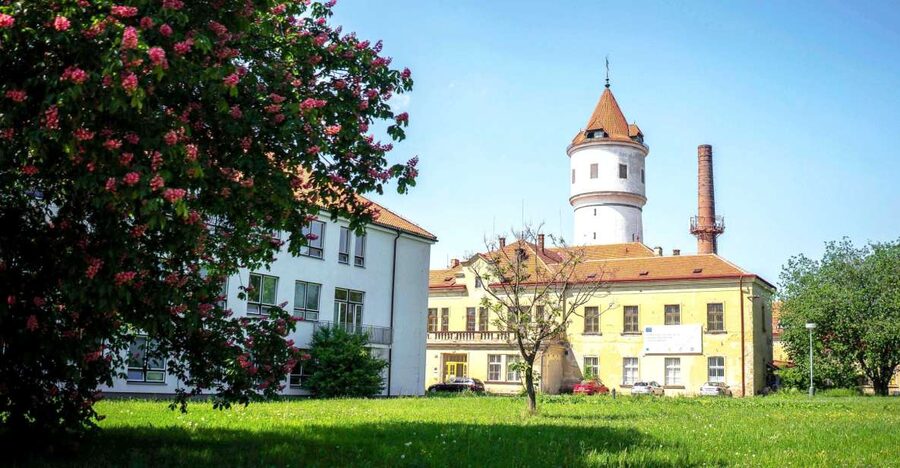
The most unusual part of the experience is that Bohnice is still operating as a psychiatric hospital. You are not walking through an abandoned asylum that has been emptied for tourists. Patients are present, and that fact changes how you should approach the tour.
You need to follow the guide’s instructions and treat the site with respect. This is not a place for loud jokes, intrusive photographs, or acting out horror scenes. The presence of current patients also makes the experience more serious than a standard ghost walk.
For me, this is both the tour’s greatest strength and its clearest limitation. The real setting gives the history weight, but it may also feel uncomfortable. You should book only if you are prepared to encounter a working medical institution and discuss difficult subjects without turning the people connected to it into entertainment.
The tour description refers to stories of infamous past and current patients occupying the wards. You should understand that this means the guide may discuss troubling cases and people associated with the hospital. It does not mean you are being taken on a spectacle involving patients themselves.
The cemetery promenade and its lost souls
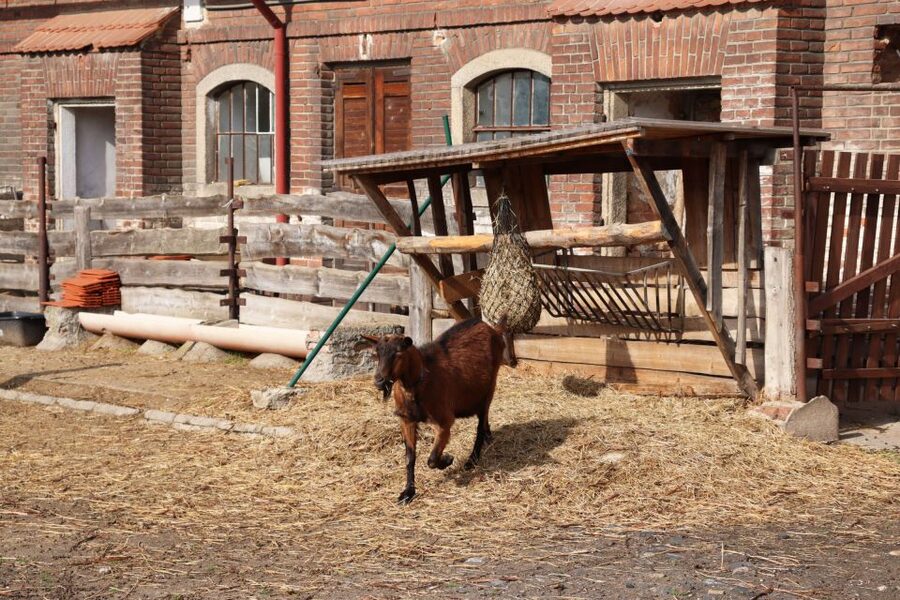
The second part leads toward Bohnický ústavní hřbitov, the institution’s abandoned cemetery. The group spends about 30 minutes passing through or around this area before returning to the hospital.
This is where the mood shifts. Inside the hospital, the guide gives you dates, ideas, treatments, and medical history. In the cemetery, the focus turns to the people who died on the margins of society. Patients, criminals, and other forgotten people were laid to rest here.
The cemetery is described as an eerie promenade, and that atmosphere is central to the experience. Expect a quiet walk through an abandoned burial ground rather than a busy sightseeing stop. The appeal comes from the contrast between the ordinary grounds of a functioning institution and a place that has been left behind.
The cemetery also gives the hospital’s history a human scale. It is easy to discuss psychiatric systems as medical or social structures. It is harder to ignore the individual lives once you are standing among their graves. The walk encourages that pause.
Weather can affect this part more than the indoor sections. One recent French-language tour took place in the rain and was still considered worthwhile, but you should dress for the conditions. Comfortable shoes matter here, and a water bottle is sensible for the full walk.
Or spend the afternoon on something completely different:
- Prague: Castle Tour with Local Guide and Entry Ticket
★ 4.6 · 10,422 reviews - Prague Castle 2.5-Hour Tour Including Admission Ticket
★ 4.7 · 8,927 reviews - Prague: Oldtown, Medieval Underground & Dungeon History Tour
★ 4.2 · 8,244 reviews - Prague: Vltava River Night Cruise with Buffet
★ 4.3 · 7,338 reviews
The guides and the quality of the storytelling
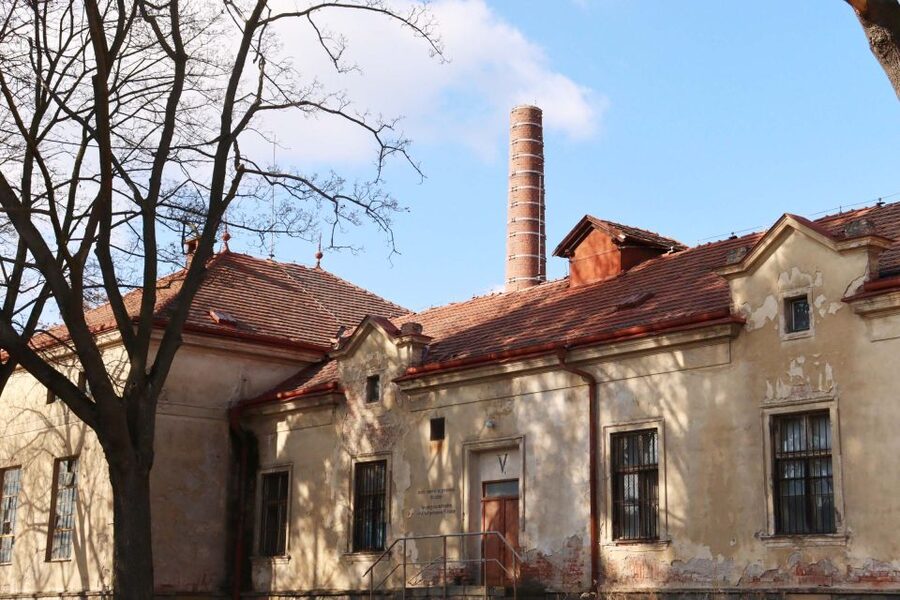
The strongest praise has gone to the guides, particularly Tina. She has been described as excellent, passionate, and good at explaining both the hospital’s history and its anecdotes.
That matters because this is not a tour where the buildings explain themselves. You need a guide who can make sense of medieval beliefs, psychiatric treatments, the Rosenhan experiment, institutional life, and the cemetery without turning the whole visit into a list of grim facts.
Tina has also led the tour in French for French-speaking participants. The advertised tour language is English, so you should confirm the language available for your chosen date if that is important to you. The French-language experience received strong praise, including after a rainy visit.
The private-group option may suit you if you want more room for questions or a quieter pace. The supplied information does not give a standard group size, so do not assume that every departure is private. You can book a private group if that format is offered for your date.
Is $32 a fair price?

At about $32 per person, this is not the cheapest walk in Prague. It is also not priced like a full-day excursion. You are paying for three hours, a local guide, access to a highly unusual setting, and a subject that would be difficult to understand through a casual walk around the city.
The value is strongest if you enjoy serious local history and places that are not part of the usual Prague route. You are getting more than a cemetery stroll. The hospital section covers a wide span of psychiatric history, while the grounds provide a direct connection to the institution’s past.
The value is weaker if you mainly want ghosts, jump scares, or a quick photo stop. The cemetery is eerie, but the tour is built around history and ethics as much as atmosphere. You may find the medical material more interesting than frightening.
The three-hour length is useful. A shorter visit might skim across the hospital’s story without giving the guide time to explain the changing ideas behind treatment. Here, the longer format allows the hospital and cemetery to work together.
Free cancellation up to 24 hours before the tour and the option to reserve now and pay later also reduce the risk of booking. Starting times depend on availability, so check the date and time before making the trip to Bohnice.
Who should book this experience?
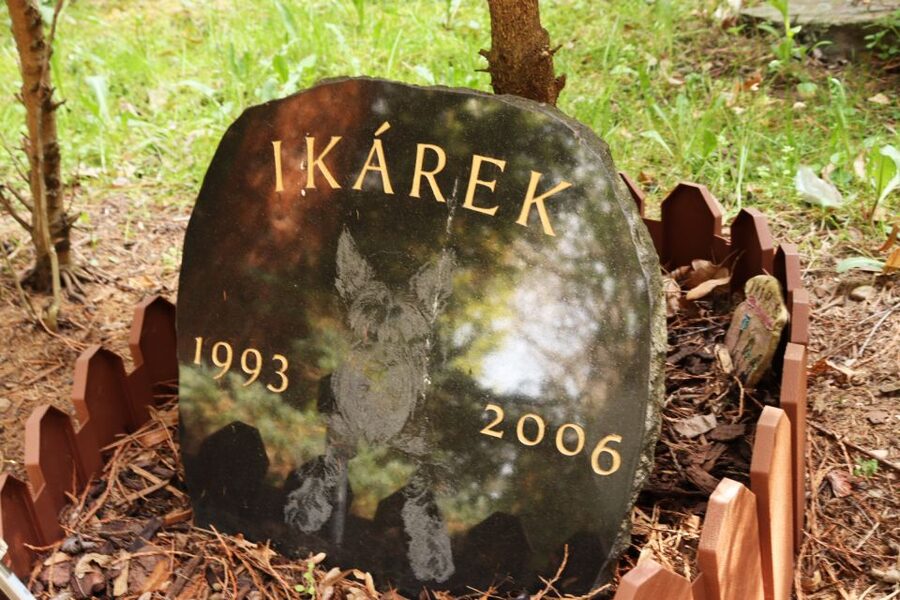
I would recommend it to adults who enjoy unusual museums, medical history, social history, and places with a strong sense of place. It should also suit anyone who has already seen Prague Castle, the Old Town, and the Charles Bridge and wants a different side of the city.
The tour may appeal to photographers interested in abandoned sites, though the hospital’s working status means you must respect any photography rules and the privacy of patients. The cemetery offers atmosphere, but it should not be treated as a playground.
It is less suitable for small children. The historical material includes psychiatric treatments, death, crime, stigma, and institutional life. Even adults who enjoy dark tourism should know that the tone may be more serious than a normal ghost tour.
I would also think carefully if hospitals or mental illness are personal or emotional subjects for you. The tour deals directly with painful parts of psychiatric history. That can be meaningful, but it is not casual entertainment.
Practical advice before you go
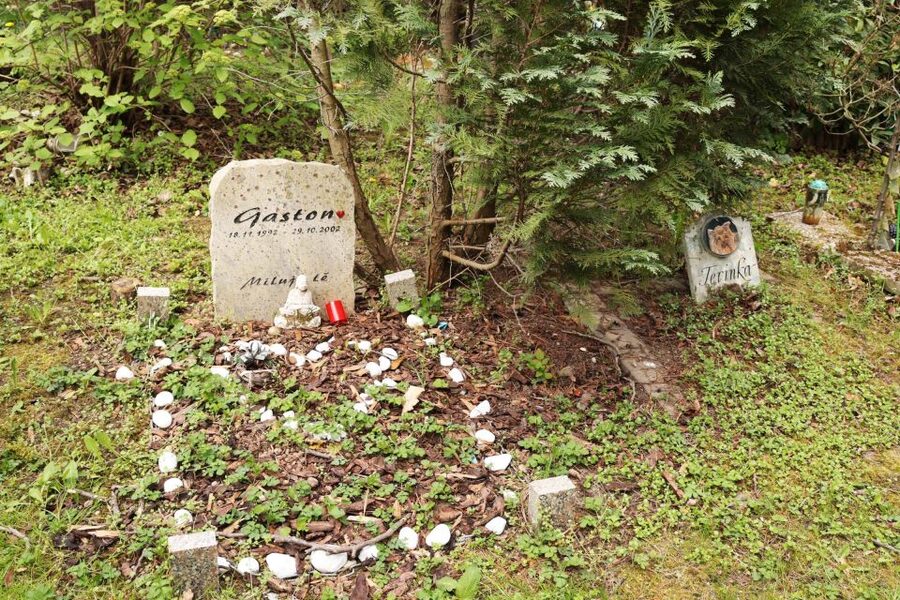
A few small choices will improve the experience:
- Use the full address: Psychiatric Hospital Bohnice, Ústavní 91, Praha 8.
- Leave extra time for the bus connection: Kobylisy is the main public transport link.
- Consider a taxi for the simplest arrival: Uber or Bolt from central Prague costs about 350 CZK, or 15 EUR.
- Wear shoes for a long walk: The tour lasts three hours and includes the cemetery.
- Bring water: There is no reason to count on finding refreshments during the walk.
- Check the tour language: English is offered, and French has been used by Tina, but language availability can depend on the departure.
- Prepare for serious content: The tour is not recommended for small children.
The tour returns to the Psychiatric Hospital Bohnice after the cemetery walk. That makes the transport plan easy at the end, since you finish where you began.
Should you book the Bohnice hospital and cemetery tour?
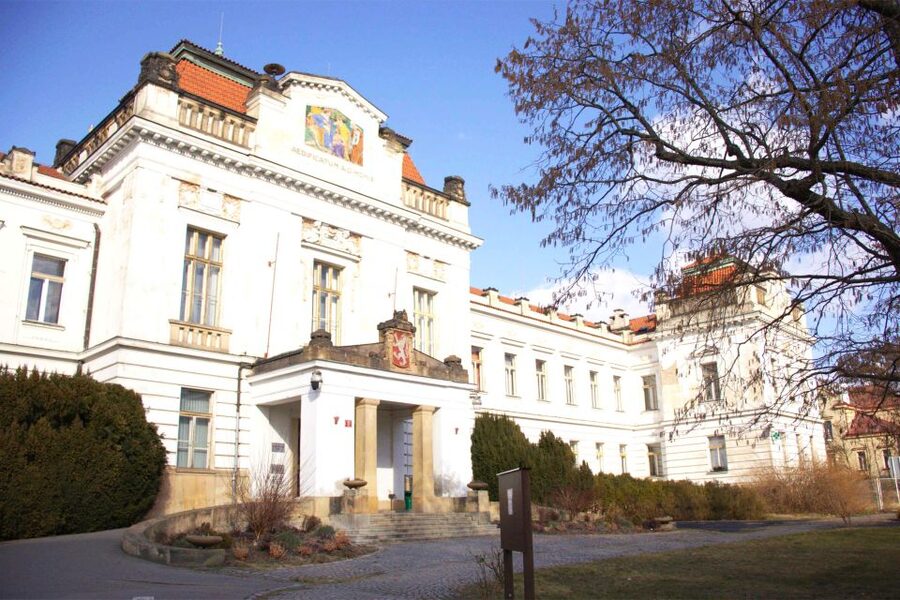
Book it if you want an unusual, thoughtful side of Prague and are comfortable entering a functioning psychiatric hospital. The combination of medical history, difficult ethical questions, personal stories, and an abandoned cemetery is rare. Tina’s praised storytelling and the option of a French-language guide on some departures add to its appeal.
Skip it if you want a conventional sightseeing walk, a family-friendly activity, or a theatrical haunted house. The setting is real, the subject is dark, and current patients are present.
For the right audience, $32 buys a memorable three hours far from Prague’s postcard center. Go with respect, comfortable shoes, and an open mind. The experience is strongest when you treat Bohnice not as a horror prop, but as a place shaped by real people and a complicated past.
FAQ
Where does the tour start?
It starts in front of the gate to Psychiatric Hospital Bohnice at Ústavní 91, 181 00 Praha 8.
How long does the tour last?
The full experience lasts three hours. About two and a half hours are spent on the guided hospital tour, followed by about 30 minutes at the abandoned cemetery.
How do I reach Bohnice by public transport?
Take metro line C to Kobylisy. Leave through the exit marked Katastrální úřad, then take bus 177 toward Poliklinika Mazurská or bus 200 toward Sídliště Bohnice. Get off at Katovická and walk to Ústavní 91.
How much does a taxi from central Prague cost?
An Uber or Bolt from central Prague costs approximately 350 CZK, or about 15 EUR.
Is the tour conducted in English?
Yes. English is the stated tour language. French has also been used on some tours, including a visit led by Tina, so check the language available for your chosen date.
Is the psychiatric hospital still operating?
Yes. Bohnice is a functioning psychiatric hospital, and patients are present during the visit.
Is the tour suitable for children?
The tour is not recommended for small children because it includes dark historical subjects connected with psychiatry, treatment, death, crime, and stigma.
What should I bring?
Bring comfortable shoes and a reusable water bottle. Dress suitably for the weather, since the experience includes walking outdoors around the cemetery.
Can I cancel the booking?
You can cancel up to 24 hours in advance for a full refund. The activity also allows you to reserve now and pay later.
Newest listings in Prague
- World War II 4WD Tour from Prague with Lunch★ 4.4 · 3 reviews
- Prague: Historical Walking Tour with Focus on World War 2★ 4.3 · 12 reviews
- WWII and Communism History in Prague’s Old Town Private Tour★ 5.0 · 4 reviews
- Wroclaw: Giant Mountains & Valley of Palaces Day Tour★ 4.8 · 36 reviews
- Walking tour of Prague in French : Nové Město★ 4.9 · 16 reviews
- Walking tour of Prague in french: Old Town & Charles Bridge★ 4.9 · 62 reviews
- Vltava River Cruise and Private Tour of Prague’ Old Town★ 5.0 · 1 review
- Ultimate Unlimited Beer Pong with Czech Beer★ 4.6 · 5 reviews
Tours, compared.

Castle Tour with Local Guide and Entry Ticket
Read our review →
Prague Castle 2.5-Hour Tour Including Admission Ticket
Read our review →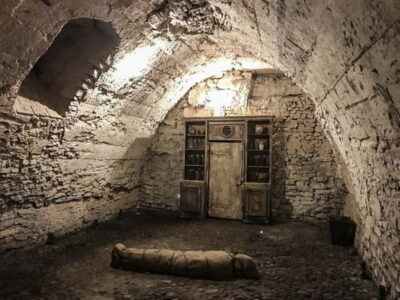
Oldtown, Medieval Underground & Dungeon History Tour
Read our review →
3-Hour Walking Tour of Old Town & Prague Castle
Read our review →
Ghost Walking Tour Where Legends Come To Life
Read our review →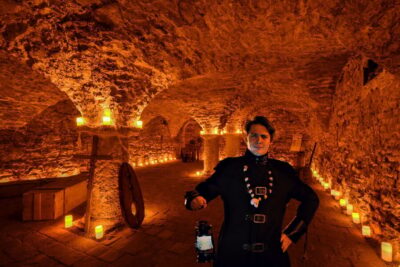
Ghosts, Legends, Medieval Underground & Dungeon Tour
Read our review →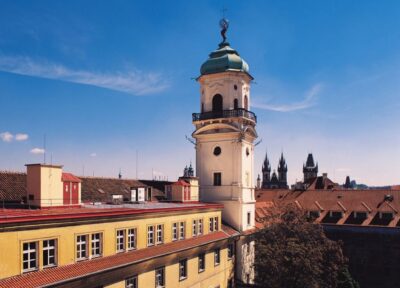
Klementinum Library & Astronomical Tower Guided Tour
Read our review →