
REVIEW · MUSEUMS
Prague: 1.5-Hour Chocolate Museum Visit with Workshop
Chocolate tells a surprisingly global story. I like the hands-on workshop, where you decorate your own chocolate bars with toppings, and the tasting station, which lets you compare chocolate from different places. I also like the live praline demonstration, though the museum itself is small and some visitors may find the history more interesting when explained by a guide than when read from panels.
For $28, this is a good-value indoor activity in central Prague, especially on a rainy afternoon or with children and chocolate fans. The 90-minute visit is partly self-guided, so you can move through the exhibits at your own pace before making chocolate with a staff member such as Paulina, Martina, Michael, Teresa, Lukas, or Vitek. The workshop gets the strongest praise, while the museum works best as a compact introduction rather than a major cultural attraction.
In This Review
- Key points to know before you book
- A sweet stop in central Prague
- From Aztec cocoa to European chocolate
- How the self-paced visit works
- The tasting station is more than a token sample
- Watching pralines take shape
- Making your own chocolate bars
- How good is the $28 value?
- Who will enjoy this most?
- Small points that can affect your visit
- Should you book Choco-Story Prague?
- FAQ
- How long does the Choco-Story Prague experience last?
- What is included in the ticket?
- Can I make my own chocolate?
- Is the museum visit guided?
- Which languages are available for the audio guide?
- Is the experience wheelchair accessible?
- Can I cancel the booking?
Key points to know before you book
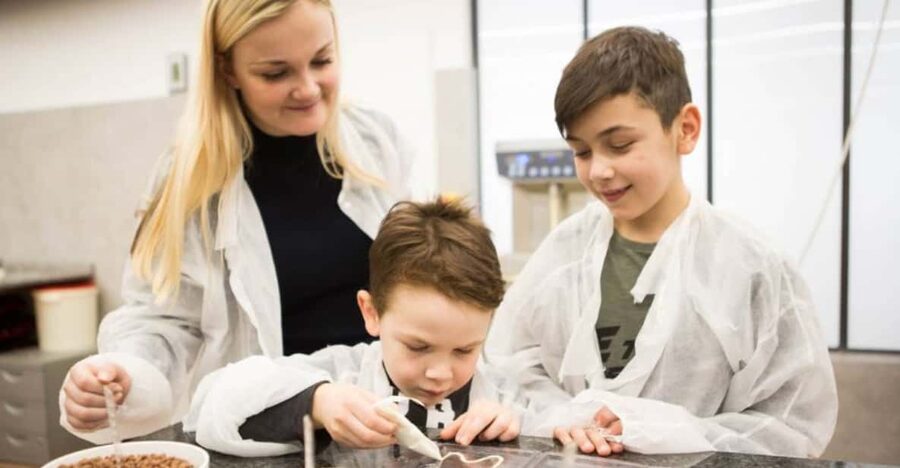
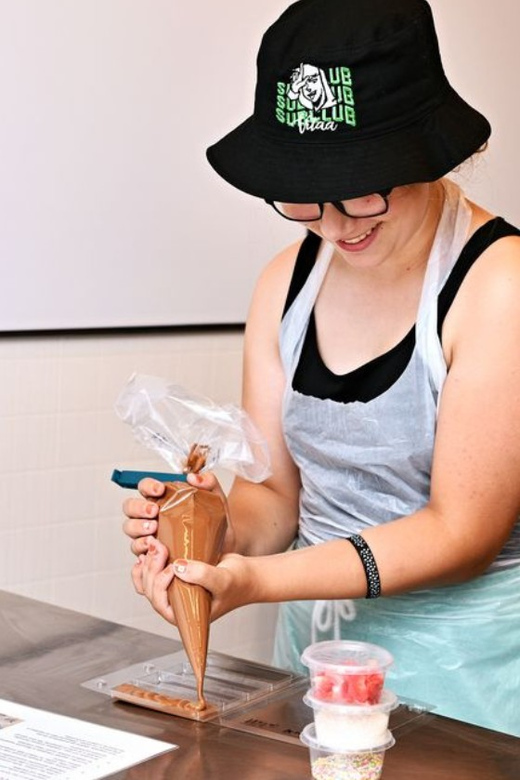
- Make four small chocolate bars: Recent workshop sessions included four bars decorated with toppings and moulds, giving you something substantial to take home.
- The museum is compact: You can see the displays without giving up half a day, but do not expect a large European chocolate museum.
- The workshop is hands-on and flexible: You view the museum at your own pace and make your chocolate when you are ready, rather than waiting for one large group tour.
- Taste chocolate from around the world: Sampling is part of the visit, and you can stay at the tasting station as long as the experience allows.
- Staff make a real difference: Paulina, Martina, Michael, Teresa, Lukas, Vitek, and others are praised for friendly, clear instruction.
- Plan for a central Prague stop: The museum is in the heart of the city, making it easy to fit between major sights, shopping, or a meal.
A sweet stop in central Prague
Choco-Story Prague Chocolate Museum sits in the center of Prague, where you can easily add it to a day of sightseeing. Its location matters because this is not a destination that needs a special excursion or a long ride across the city. You can use it as a planned activity or as a useful indoor break when the weather turns wet.
The full experience lasts 90 minutes. That is long enough for a museum introduction, tastings, a chocolatier demonstration, and the workshop, but short enough to fit around Prague Castle, Old Town Square, or an evening meal.
I would set aside the full time rather than treating this as a quick shop visit. The museum section is self-paced, while the practical part takes attention and a little patience. If you rush through the displays, you will miss the connection between the cocoa bean, old customs, European trade, and the finished sweets on the counter.
More sweet stops in Prague:
- Prague: Choco-Story Chocolate Museum Entry with Tasting
★ 4.0 · 159 reviews - Prague: Choco Art Museum Ticket with Chocolate Making Class
★ 3.9 · 71 reviews - Prague: Chocolate Museum Entry Ticket with Tasting
★ 3.8 · 50 reviews
From Aztec cocoa to European chocolate
The museum begins with the story of cocoa before it became the familiar chocolate bar. You learn about the Aztecs and Mayas, including the old customs tied to cocoa, then follow the ingredient as it made its way to Europe.
That broad view gives the visit more purpose than a simple collection of candy displays. Cocoa was once a valuable commodity with cultural importance, not just a sweet snack in a colorful wrapper. The exhibits explain how the raw product changed as it moved between cultures and how it eventually became the chocolate you recognize today.
Illustrations, information panels, videos, and museum objects help tell this story. Some of the displays are designed to be visually appealing, with wax figures and photo opportunities that make the museum more approachable for families. You might find the presentation a little light if you want a detailed account of European chocolate production, trade, or industrial change.
This is the main limitation of the museum portion. It gives you useful background, but it is not a long, guide-led history lesson. One visitor specifically wished for more explanation of European chocolate and found spoken storytelling more effective than reading. I agree with that practical point: if you enjoy history, take your time with the panels and use the audio guide rather than racing through.
The audio guide is available in Czech, English, German, and Russian. That makes the information easier to follow if you prefer listening, although the experience is not described as a continuous guided tour through every room.
How the self-paced visit works
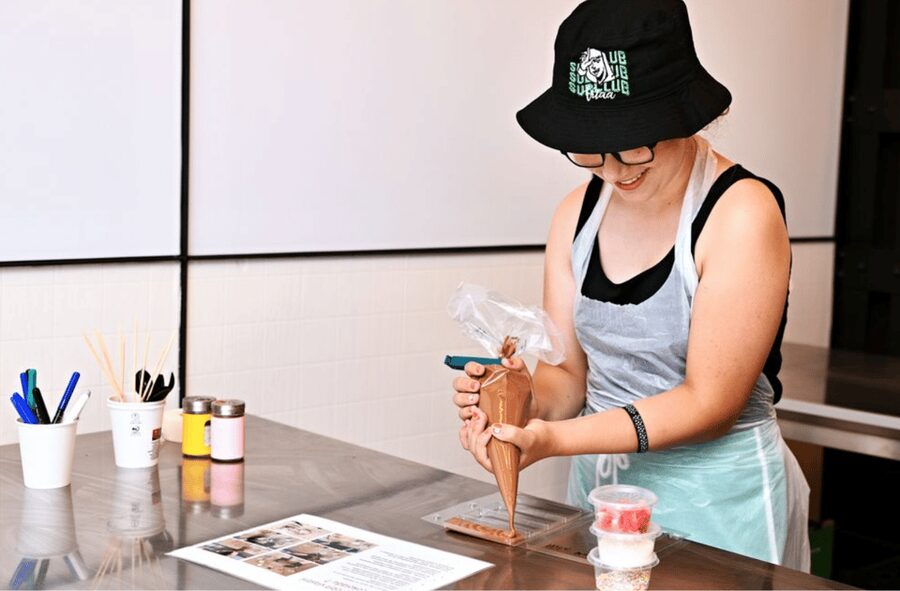
A helpful detail is that you do not necessarily wait for a group to move from room to room. You can explore the museum at your own pace, then make your chocolate when you are ready for the workshop portion.
That arrangement suits different kinds of visitors. I can imagine a family moving quickly through the historical displays while spending more time on the interactive parts. A couple interested in cocoa production might linger over the panels and videos before heading to the chocolate-making counter.
The setup also means the atmosphere may feel less like a formal tour and more like a museum visit with a scheduled practical activity. If you arrive expecting a guide to lead every minute, adjust your expectations. The staff are available to help, but the museum portion gives you room to set your own speed.
The museum is described repeatedly as small and cute. That is praise, but it is also a warning about scale. You will not need several hours, and you will not find a vast collection of rooms. The benefit is convenience. You get a clear introduction without spending an entire day indoors.
The tasting station is more than a token sample
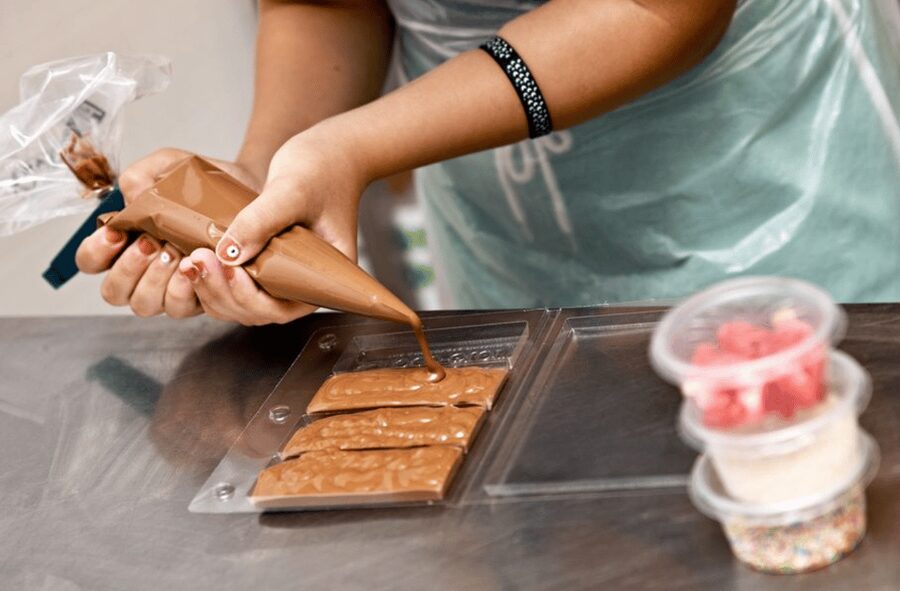
Chocolate tasting is included, and it is one of the better reasons to choose this activity instead of simply buying a bar from a Prague shop. You can try different types of chocolate from around the world and pay attention to contrasts in flavor and texture.
The tasting station is presented as a place where you can stay for a while, rather than a single sample handed to you on the way out. That gives you time to work out what you like before visiting the shop.
For me, this is where the historical displays connect with the product itself. After learning about cocoa in its natural form and how it is processed, tasting different chocolates gives the information a practical finish. You are no longer thinking only about a cocoa pod in a video. You can compare the results in front of you.
The tasting also adds value for adults who might otherwise think the museum is mainly for children. You can treat it as a small food experience, not just an educational stop. Still, exact tasting quantities and the full range of samples are not specified, so I would not book it expecting a full meal or an unlimited chocolate buffet.
More Museum Tours in Prague:
- Prague: Museum of Fantastic Illusions Entry Ticket
★ 4.3 · 4,337 reviews - IAM Illusion Art Museum Entry Ticket
★ 4.2 · 1,664 reviews - Prague: Museum of Senses Admission Ticket
★ 4.0 · 1,445 reviews - IAM Illusion Art Museum Prague Fast Pass Ticket
★ 5.0 · 957 reviews
Watching pralines take shape
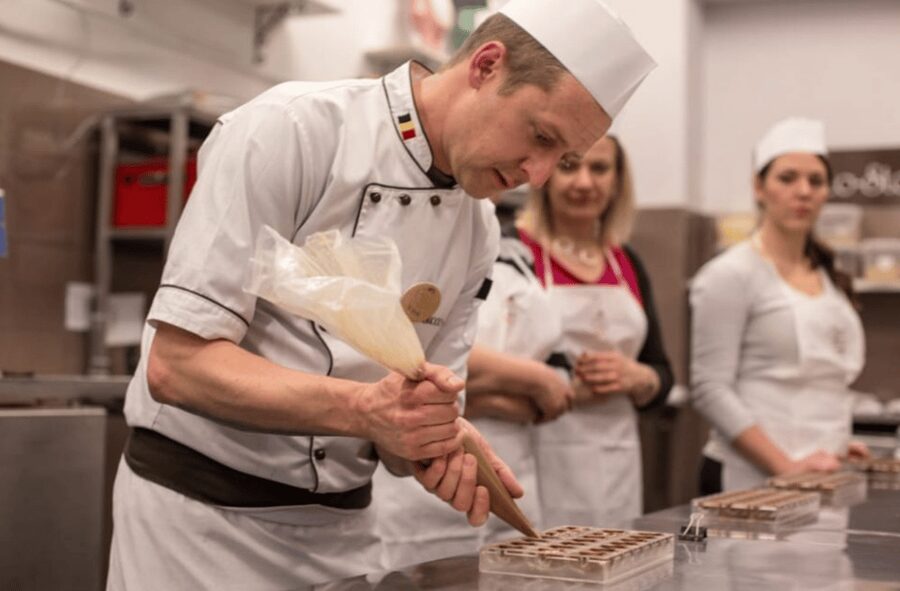
A professional chocolatier demonstrates how artisanal sweets such as Belgian pralines are made. This is a useful bridge between the museum displays and your own workshop because you first see the craft before trying a simpler version yourself.
The demonstration shows that finished chocolate is not simply melted, poured, and forgotten. Tempering, moulds, fillings, decoration, and careful handling all affect the result. The available information does not list every step or the exact length of the demonstration, so expect an introduction rather than a professional pastry course.
That is the right level for a 90-minute visit. You get enough technique to understand what you are doing, without needing specialist equipment or prior experience. Staff explain the process step by step, and one visitor specifically praised the explanation of chocolate from cocoa pod to finished product.
The human side of this part matters. Several instructors are singled out for being friendly, funny, patient, and helpful. Paulina receives especially strong praise, with visitors noting that her presentation and good humor made the workshop more enjoyable. Martina, Michael, Teresa, Lukas, Vitek, and other staff members are also described as supportive and clear.
Names can change with the schedule, of course, but the pattern is encouraging: the instructor can turn a basic activity into the best part of the visit.
Making your own chocolate bars
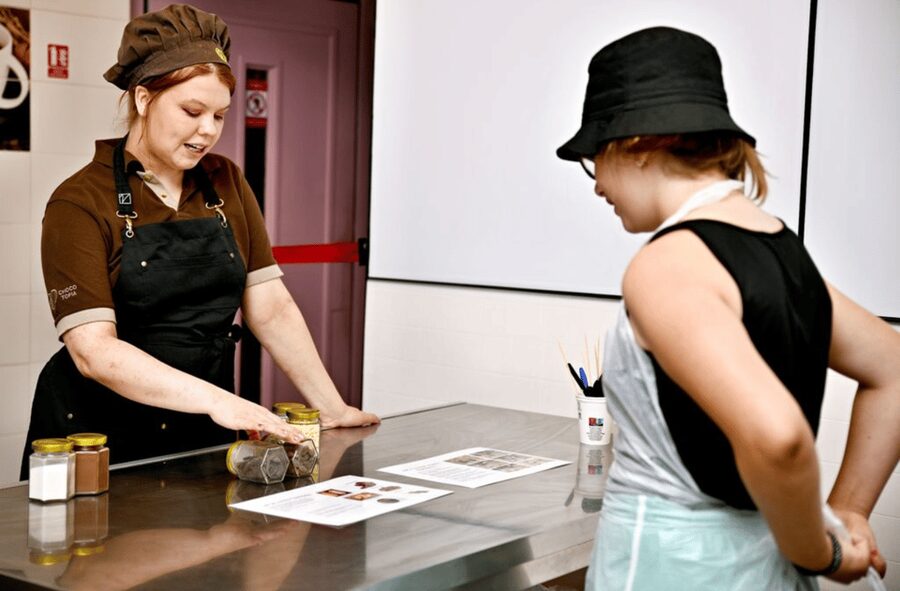
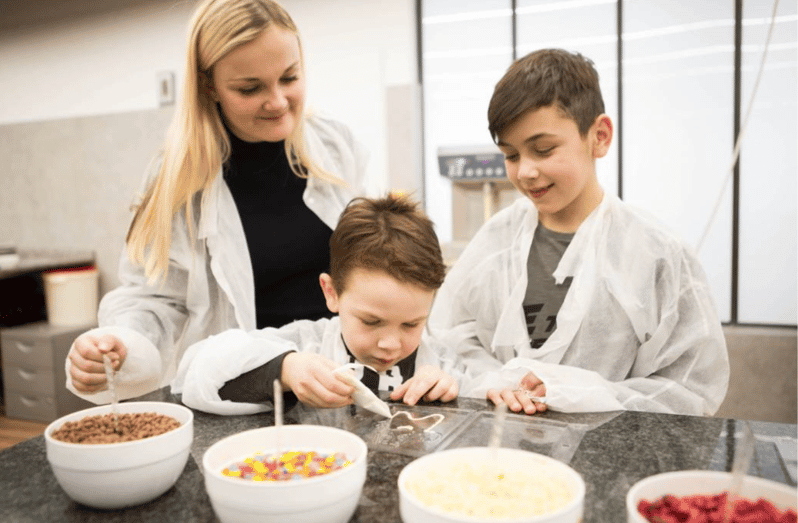
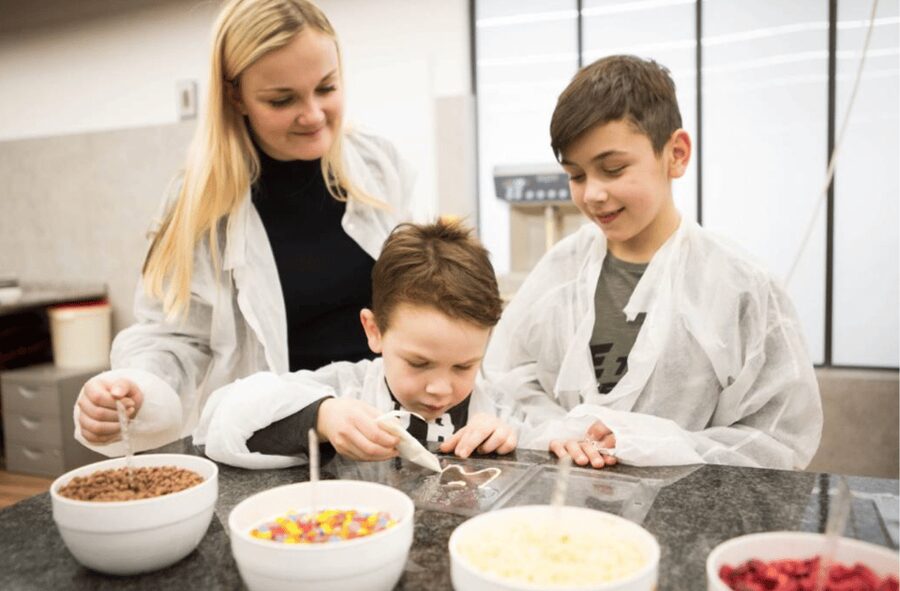
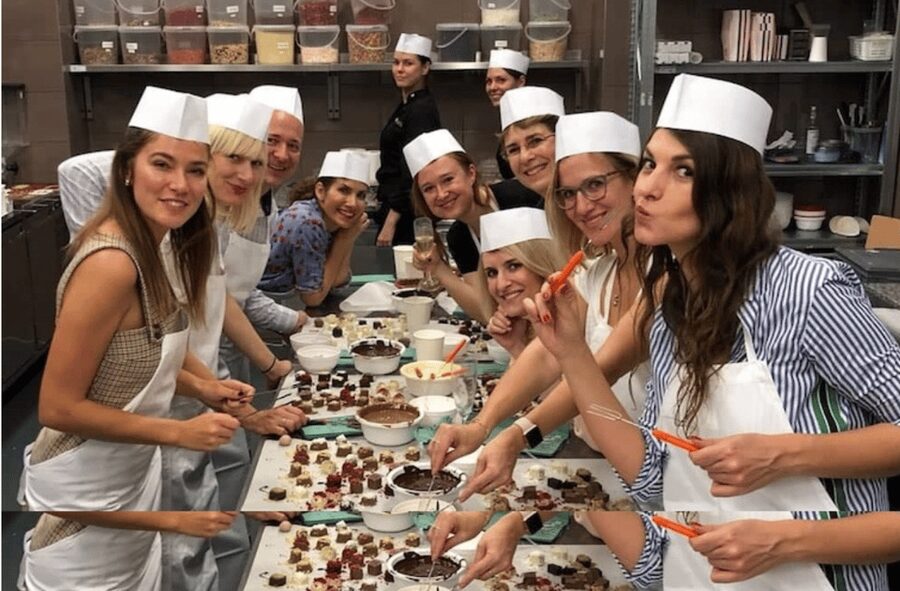
The workshop is the main event. You create personalized chocolate tablets with the assistance of a chocolatier, using moulds and toppings to decorate them to your taste.
Recent sessions included four small bars. That detail is important when judging the price because you are not merely dipping one piece of candy and walking away. You get several finished chocolates to take home, and the activity gives you time to make choices rather than simply watching someone else work.
You do not need to arrive with cooking experience. The staff guide you through the process, and visitors describe the instruction as clear and step by step. The workshop is suitable for children, but adults will not feel left out. Choosing toppings and arranging the decoration gives the activity a simple creative element.
Some sessions may include seasonal projects. One visitor made advent calendars, showing that the exact workshop format can vary at certain times of year. The core idea remains the same: you work with chocolate, decorate it, and take the result with you.
A free apron was also mentioned by one visitor. Since this is not clearly listed as a standard inclusion, treat it as a possible bonus rather than a guaranteed part of every booking.
The chocolate-making area may become the busiest part of your visit. If you want the calmest experience, a less crowded time could help, though the available information does not identify specific quiet hours. The activity is still fairly short, so do not expect a long professional class with advanced techniques.
How good is the $28 value?
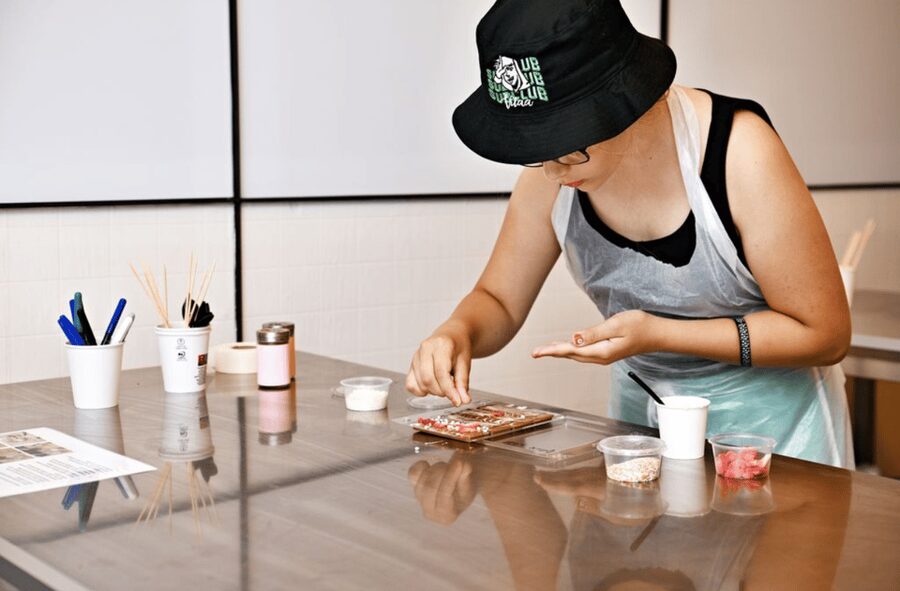
At $28 per person, the price is reasonable if you plan to use all parts of the experience. You are paying for museum admission, an audio guide, tastings, a chocolatier demonstration, and a hands-on workshop. The four bars described in recent sessions add a tangible souvenir as well.
The value is less convincing if you care only about museum history. The museum is compact, and parts of the visit rely on reading panels, illustrations, and videos. A dedicated chocolate historian may want more detail about European production and the commercial story of cocoa.
I would think of this as a food activity with a museum attached, not a museum tour with a small snack at the end. The workshop and tasting justify the cost. The history gives the activity shape and context, but the chocolate-making is what makes the visit memorable.
The shop adds another temptation. You can buy truffles and other chocolate products, and one shop includes items beyond food, such as chocolate-themed shampoo. That variety makes browsing fun, but set a spending limit before you enter. It is easy for the included tasting to turn into an unplanned bag of souvenirs.
A practical point from one visit is that the shop may not have a dedicated seating area where you can sit and enjoy purchased food. If you want a longer café break, plan to eat elsewhere in Prague.
Who will enjoy this most?
I would recommend this activity to:
- Families who want a short, indoor activity with something to take home
- Couples looking for a playful break from churches, galleries, and walking tours
- Chocolate fans who care more about tasting and making than about a large museum
- First-time visitors who want a simple introduction to cocoa and chocolate
- Anyone visiting Prague in poor weather
- People who enjoy creative activities but do not want a full cooking class
It is less suitable for someone seeking a major museum collection or a detailed, guide-led account of European chocolate. It may also feel brief if you want an extended food workshop.
The experience is wheelchair accessible, which makes it easier to include in a central Prague plan. Audio guides are available in Czech, English, German, and Russian. Staff have also accommodated more than one language during workshop instruction, but the stated audio-guide languages are the ones to rely on when planning.
Small points that can affect your visit
The museum and workshop are indoors, and the 90-minute format is easy to fit into a busy day. Free cancellation up to 24 hours before the start gives you some flexibility, and you can reserve now and pay later if your schedule is still changing.
The main practical issue is expectation. This is not a conventional group tour in which a guide walks everyone through each exhibit at the same time. You explore independently, then take part in the chocolate-making activity when ready.
If you are visiting with a child, explain that the first portion includes history, displays, and audio material before the making begins. That can help avoid the classic when do we get to eat chocolate? complaint.
Basic upkeep matters in a food activity. One visitor wanted better soap maintenance, so I would pay attention to the handwashing arrangements and use them before handling toppings or chocolate. This is a small point, but cleanliness is part of the experience when you are preparing food.
Should you book Choco-Story Prague?
I would book it if you want a short, central, hands-on Prague activity and the idea of making four decorated chocolate bars appeals to you. The staff, especially workshop instructors such as Paulina and Martina, receive the warmest praise, and the tasting and finished chocolates make the $28 price easier to accept.
I would skip it if your main goal is a large, serious museum about the history of European chocolate. The displays are compact, and you explore much of the museum on your own.
For most visitors, the best approach is to treat this as a chocolate workshop first, a tasting second, and a small cultural museum third. Book it on a rainy afternoon, with children, or when you want a break from Prague’s stone streets. You will learn where chocolate came from, see how pralines are made, and leave with your own edible souvenirs.
FAQ
How long does the Choco-Story Prague experience last?
The experience lasts 90 minutes.
What is included in the ticket?
The ticket includes entry to Choco-Story Prague Chocolate Museum, the chocolate-making workshop, an audio guide, and chocolate tasting.
Can I make my own chocolate?
Yes. You can make personalized chocolate tablets with help from a professional chocolatier. Recent workshop sessions included four small bars decorated with toppings.
Is the museum visit guided?
The museum is viewed at your own pace. An audio guide is included, and the workshop is assisted by a staff member.
Which languages are available for the audio guide?
The audio guide is available in Czech, English, German, and Russian.
Is the experience wheelchair accessible?
Yes, the activity is wheelchair accessible.
Can I cancel the booking?
You can cancel up to 24 hours in advance for a full refund. You can also reserve now and pay later.
Newest listings in Prague
- World War II 4WD Tour from Prague with Lunch★ 4.4 · 3 reviews
- Prague: Historical Walking Tour with Focus on World War 2★ 4.3 · 12 reviews
- WWII and Communism History in Prague’s Old Town Private Tour★ 5.0 · 4 reviews
- Wroclaw: Giant Mountains & Valley of Palaces Day Tour★ 4.8 · 36 reviews
- Walking tour of Prague in French : Nové Město★ 4.9 · 16 reviews
- Walking tour of Prague in french: Old Town & Charles Bridge★ 4.9 · 62 reviews
- Vltava River Cruise and Private Tour of Prague’ Old Town★ 5.0 · 1 review
- Ultimate Unlimited Beer Pong with Czech Beer★ 4.6 · 5 reviews
Museums, compared.


IAM Illusion Art Museum Prague Fast Pass Ticket
Read our review →
Ticket to Audiovisual Light Art at Lumia Gallery
Read our review →
Browse the lists this tour appears in