
REVIEW · BRNO AND MORAVIA TOURS
Brno Grand Tour: Must-See Sights and Attractions of Brno’s
Brno rewards curious walkers. This $10 private tour links the city’s major sights with local stories, from Špilberk Castle and the cathedral to St. James Church and Villa Tugendhat. I like the clear route through Brno’s old center, and I like that tram transport is included for the final stretch. The main drawback is that four hours can feel brisk, especially if you want to enter every building rather than see them from outside.
I also like the focus on Brno’s legends, fortifications, markets, and underground spaces instead of a simple parade of monuments. Guide Lenka received especially warm praise for making the city’s complicated past easy to follow. Still, the tour requires good weather, includes no lunch, and the Villa Tugendhat portion is described as a garden visit, not a full interior tour.
In This Review
- Key points to know before booking
- Why this Brno tour works well for a first visit
- Špilberk Castle gives Brno its best opening view
- Denis Gardens connects views with war and fortifications
- St. Peter and St. Paul rises above the old center
- Zelny trh shows Brno as a living market city
- The Capuchin Monastery adds a quieter, darker note
- Old Town Hall is the stop for Brno’s best-known tales
- Former Fish Market and Freedom Square reveal civic Brno
- Mahen Theatre brings Edison into the route
- St. James Church and its ossuary are the emotional center
- Moravské náměstí leads toward the modern city
- Villa Tugendhat Garden closes with modernist design
- Timing, price, and who should book
- Should you book the Brno Grand Tour?
- FAQ
- How long does the Brno Grand Tour last?
- Where does the tour begin?
- Where does the tour finish?
- Is transportation included?
- Is lunch included?
- Is the tour private?
- Can I cancel for a full refund?
Key points to know before booking
- Špilberk Castle starts the story on a hill: You get city views and an introduction to the castle’s changing role, including its present use as a municipal museum.
- Brno’s legends are part of the route: The Old Town Hall and cathedral stops add local tales alongside dates and architecture.
- The tour covers a lot in four hours: You visit markets, churches, squares, a theatre, castle grounds, and Villa Tugendhat Garden.
- The final stop shifts to modern architecture: Villa Tugendhat is Brno’s only UNESCO World Heritage site and the tour’s clearest contrast with the medieval center.
- Tram transport is included: You travel from the central area to Villa Tugendhat and return to Moravské náměstí.
- It is private, not a large group outing: Only your own party participates, with group discounts offered.
Why this Brno tour works well for a first visit
Brno can be hard to read at street level. Its old center is compact, but the important sights belong to different periods and sit on different levels. A castle hill, cathedral, market square, underground vault, modernist villa, and grand theatre do not automatically form a clear story when you see them on your own.
This tour gives you that structure. You begin at the Statue of St. John of Nepomuk on Husova, then move through the historic center before using public transport to reach Villa Tugendhat. The route is broad enough to help you get your bearings, yet focused enough to fit into roughly three to four hours.
The price is the tour’s biggest surprise. At $10, it offers unusually strong value if the schedule and availability suit you. You are paying for an in-person licensed or certified guide, a private format, and tram transport to and from the villa area. The price does not include lunch or admission charges, although each listed stop is marked with free admission.
That last point needs a little care. Free admission does not mean every interior is necessarily part of the visit. Some stops are short exterior explanations, and Villa Tugendhat is described as a one-hour garden visit. If your main goal is to see the villa’s famous interiors, confirm the exact visit details before booking.
More Brno and Moravia trips:
- Brno: Historic Downtown Walking Tour
★ 3.9 · 278 reviews - 3-Hour Brno Themed Walking Tours
★ 3.9 · 65 reviews - Skip the Line: 10-Z Bunker Entrance Ticket in Brno
★ 4.5 · 37 reviews
Špilberk Castle gives Brno its best opening view
The tour begins at Špilberk Castle, set on a hill in the center of Brno. Allow about 30 minutes here, the longest stop before Villa Tugendhat.
The first reward is the view. From the castle area, you can look over Brno and see how the city’s central districts fit together. That makes this a useful first stop, not just a grand old building to photograph.
Your guide explains the castle’s development, its role over time, and its current use as the Brno municipal museum. This gives the fortress a practical connection to modern Brno. It is not treated as a frozen medieval relic, but as part of the city’s continuing public life.
Because the visit is a stroll around the castle, you should not assume that museum admission or an extended interior visit is included. The tour description lists admission as free, but the scheduled time is aimed at orientation and explanation rather than a full museum tour.
Denis Gardens connects views with war and fortifications
From Špilberk, the route continues to Denis Gardens for about 15 minutes. This is another viewpoint over Brno, but the subject changes from the castle itself to the city’s defensive system.
You hear about Brno’s fortifications and a well-known Napoleonic battle. That pairing helps explain why Brno’s position mattered. The gardens are not simply a pause for photographs. They give your guide a place to describe how walls, hills, and military events shaped the city.
The short timing is useful if you want a broad introduction, but it leaves little room to linger. Bring comfortable shoes, since the tour includes several walking stops and begins on elevated ground. The route is designed to keep moving.
St. Peter and St. Paul rises above the old center
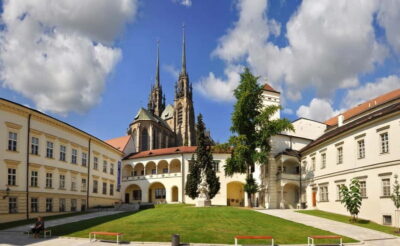
The Cathedral of St. Peter and St. Paul is one of Brno’s clearest visual markers. Its towers dominate the skyline, so visiting it early helps you recognize the city from different angles later.
The cathedral stop lasts about 15 minutes. Your guide explains how the building changed over time and brings in Brno legends connected with it. That local storytelling is an important part of the tour’s appeal. You get the basic architectural setting, but also the memorable tales that make a place easier to recall.
Since the stop is short, expect a focused visit rather than a long study of every detail inside. The cathedral is most useful here as a landmark and a doorway into Brno’s religious and civic past.
Or spend the afternoon on something completely different:
- PUNKVA CAVES, ABYSS and PERNSTEJN CASTLE =only from Apr to Sep
★ 5.0 · 25 reviews - BMP tank driving experience Prague
★ 5.0 · 24 reviews - Tour of the Czech Republic – Castles and spas of Bohemia & Moravia
★ 4.5 · 20 reviews - Trip to the Austerlitz Battlefield near BRNO in the Czech Republic
★ 5.0 · 20 reviews
Zelny trh shows Brno as a living market city
Zelny trh, or Vegetable Market, is one of Brno’s oldest market squares and is still used by farmers selling produce. The tour allows about 10 minutes here.
That may not sound long, but the square adds something the castle and cathedral cannot. You see a place tied to ordinary city life, where the market function continues instead of surviving only in history books. Cafés and places to sit make it a sensible spot for lunch or coffee after the tour.
Your guide also explains the square’s building activity and Brno’s underground system. That underground subject is worth noting because it adds a second layer beneath the streets you are walking. You will not have time to explore the system on this tour, but you get useful context for the city below street level.
If you want lunch, plan to eat after the tour or ask your guide how to use your time near the square. Lunch is not included, and the schedule moves on quickly.
The Capuchin Monastery adds a quieter, darker note
The Capuchin Monastery and Vault receives about 10 minutes. From here, you get another fine view toward St. Peter and St. Paul Cathedral, but the real interest is below the monastery.
Your guide explains the Capuchin order in Brno and points out a notable part of the monastery cellars. The stop introduces a more solemn side of the city, connected with burial customs and religious life.
The timing suggests that this is mainly an explanation and orientation stop. Do not book the tour expecting a long, self-paced visit through the vault. Its value is in connecting the monastery, cathedral view, and cellar spaces within the larger story of central Brno.
Old Town Hall is the stop for Brno’s best-known tales
Brno’s Old Town Hall is described as the city’s oldest secular building. It served as the seat of the city council from the middle of the 13th century until 1930, giving it a long civic career.
The tour spends about 10 minutes here and focuses on building changes and three famous Brno legends. This is where the guide’s storytelling matters most. Lenka was praised for presenting Brno’s past in an engaging way and for adding fun facts that made each next stop worth anticipating.
That personal touch can change the value of a short city tour. A building date is easy to forget. A local legend attached to the building gives you a reason to look at its doorway, façade, or surroundings with more attention.
Again, the stop is short. If you want to climb, tour the interior, or study the building on your own, you may need to return later.
Former Fish Market and Freedom Square reveal civic Brno
The former Fish Market Square marks another layer of medieval Brno. Fish were sold here during the Middle Ages, and the former Dominican monastery complex now houses the city council and mayor.
This stop helps you understand how commercial and religious sites later became civic spaces. It is a small but useful link between the market squares and the modern administration of the city.
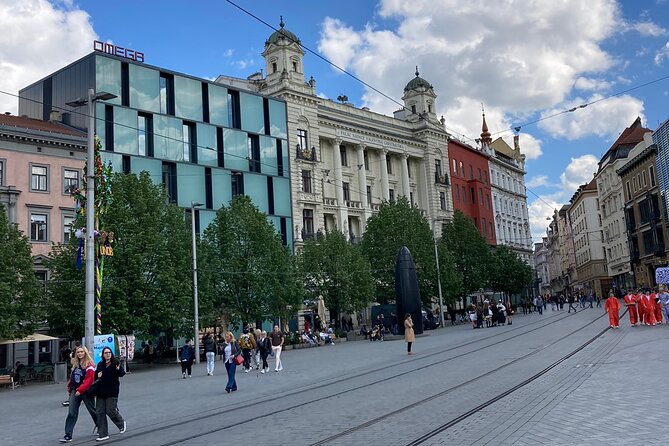
The route then reaches Náměstí Svobody, or Freedom Square, the central meeting place of Brno. Historic buildings, shops, cafés, and cultural sites surround the square. Its architecture brings together Gothic, Baroque, and modern changes, so it is a good place to notice how Brno has been rebuilt and adapted over time.
The square’s most unusual feature is the Brno astronomical clock. It releases a glass marble at 11 a.m. each day, though you should not assume the tour is timed for that moment. The square also hosts Christmas markets, concerts, and public gatherings during the year.
The Freedom Square stop lasts about 10 minutes. You will get the story and the main features, not a long break for coffee or shopping.
Mahen Theatre brings Edison into the route
Mahen Theatre is a short stop with a surprisingly strong technical story. The neo-Renaissance building was among the first theatres in Europe to use electric lighting, installed by Thomas Edison in 1882.
The theatre remains an important venue for drama and opera and is named after Czech playwright Jiří Mahen. Even if you do not attend a performance, the building adds a cultural dimension to the walking route.
This is one of the tour’s better examples of a detail that changes how you see a monument. Instead of only admiring a formal façade, you learn that the theatre played a role in the early adoption of electric light.
Expect about 10 minutes here. The tour does not include a performance, and the listed admission is free.
St. James Church and its ossuary are the emotional center
St. James Church, or Kostel svatého Jakuba, is a Gothic church dating from the 14th century. It is known for its decorated interior and its 92-meter tower, which offers wide city views.
The most striking feature lies beneath the church. The Ossuary at St. James contains the remains of more than 50,000 people and is described as the second-largest ossuary in Europe.
This stop lasts around 10 minutes, so the experience is likely to be brief and guided rather than a long visit through every part of the church and ossuary. Still, it gives the route a powerful human dimension. Brno’s past is not only castles and public squares. It is also a city shaped by generations of people who lived and died here.
If you are sensitive to burial sites, keep the subject in mind before booking. For many people, the ossuary is one of the most memorable parts of the route, but it is not a light sightseeing stop.
Moravské náměstí leads toward the modern city
Moravské náměstí is one of Brno’s largest squares and serves as a public and cultural gathering space. It includes the equestrian statue of Jošt of Moravia and the Church of St. Thomas, with green areas and newer urban development nearby.
This stop helps shift the tour away from the tight medieval core. You see how older landmarks and current public spaces share the same city center.
The square is also the stated end point after the visit to Villa Tugendhat. The route description places Moravské náměstí before the villa as a sightseeing stop, then explains that you return here by tram after the garden visit. In practical terms, this is where the tour finishes, not where you should expect a formal return to the original meeting point on Husova.
Villa Tugendhat Garden closes with modernist design
Villa Tugendhat is the tour’s final major sight and its clearest change of mood. Designed by Ludwig Mies van der Rohe in the 1920s, it is a UNESCO World Heritage site and the only Brno site described in those terms.
The villa is known for functionalist design, open planning, large glass walls, carefully chosen materials, and a close relationship with the garden. The scheduled visit lasts one hour, which gives you more time here than at any earlier stop.
The important practical point is that the experience specifically ends at Villa Tugendhat Garden. It does not promise a full interior tour. If you have come to Brno chiefly for Mies van der Rohe’s interiors, check this detail before paying, since seeing the garden and hearing about the design is different from entering the house.
Tram transport to Villa Tugendhat and back to the city center is included. That saves you from working out the connection yourself and keeps the tour moving after a long walk through the center.
Timing, price, and who should book
For $10, this is strong value for a private tour with an in-person licensed or certified guide, especially if your main aim is to understand Brno quickly. Group discounts may make it even more attractive for families or small parties.
The four-hour schedule covers a great deal. Most stops last only 10 to 15 minutes, while Špilberk receives about 30 minutes and Villa Tugendhat Garden about an hour. That format suits you if you want a well-organized introduction and plenty of pointers for later independent visits.
It suits you less if you prefer slow museum visits, long café breaks, or detailed photography at every stop. The tour includes no lunch, and you should plan food around the schedule rather than count on a meal during the route.
The meeting point is the Statue of St. John of Nepomuk on Husova in central Brno. The tour operates Tuesday through Sunday during the stated period, from 9 a.m. to 5 p.m. Confirmation is sent within 48 hours, subject to availability.
Only your group participates, which is a real advantage at this price. You can ask questions and keep the pace more personal than on a large coach excursion. Service animals are allowed, and the meeting area is near public transport.
Free cancellation is available up to 24 hours before the start time for a full refund. Changes or cancellations within 24 hours are not accepted for a refund. The tour requires good weather, so poor conditions may lead to a different date or a full refund.
Should you book the Brno Grand Tour?
I would book this tour if you have one day in Brno, want the major sights explained in plain language, or enjoy local legends as much as architectural facts. The private format, low price, included tram rides, and broad route make it a practical introduction.
I would be cautious if Villa Tugendhat’s interior is your main reason for booking. The advertised visit is to the garden, so confirm exactly what you will see before reserving.
For most first-time visitors, this is a smart way to get oriented. Lenka’s praised storytelling is a strong reason to value the experience, particularly if you want Brno’s complicated past to feel connected rather than scattered across unrelated monuments.
FAQ
How long does the Brno Grand Tour last?
The tour lasts approximately three to four hours.
Where does the tour begin?
It begins at the Statue of St. John of Nepomuk on Husova, in Brno-střed.
Where does the tour finish?
It finishes at Moravské náměstí after returning from Villa Tugendhat Garden by tram.
Is transportation included?
Yes. Tram transportation from the city center to Villa Tugendhat and back is included.
Is lunch included?
No. Lunch is not included in the tour price.
Is the tour private?
Yes. Only your group participates in the activity.
Can I cancel for a full refund?
Yes, if you cancel at least 24 hours before the experience start time. Cancellations within 24 hours are not refunded. If poor weather causes the tour to be canceled, you are offered another date or a full refund.
Newest listings in Brno and Moravia
- Unveiling Brno: History, Culture & Architectural Delights★ 5.0 · 2 reviews
- Ultimate private wine tasting experience from Prague to Moravia (3 days)★ 5.0 · 3 reviews
- Tour of the Czech Republic – Castles and spas of Bohemia & Moravia★ 4.5 · 20 reviews
- Private Tour to Czech Wine Regions – Lednice and Valtice★ 4.5 · 2 reviews
- Moravian Carst And Brno Private Tour From Prague★ 5.0 · 5 reviews
- Quad ride adventure for families with kids Prague★ 5.0 · 2 reviews
- Ride in a BMP tank and military garage tour Prague★ 5.0 · 6 reviews
- Quad ride adventure Prague★ 5.0 · 7 reviews
Brno and Moravia Tours, compared.
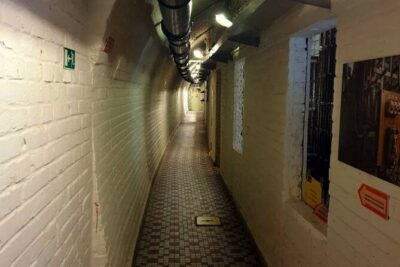
Skip the Line: 10-Z Bunker Entrance Ticket in Brno
Read our review →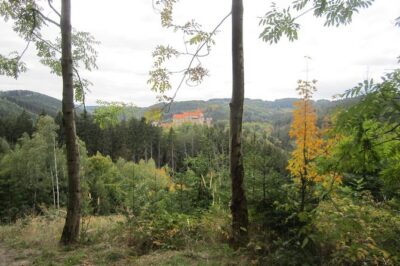
PUNKVA CAVES, ABYSS and PERNSTEJN CASTLE =only from Apr to Sep
Read our review →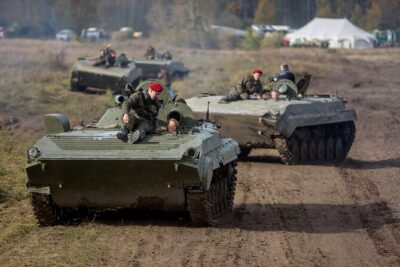
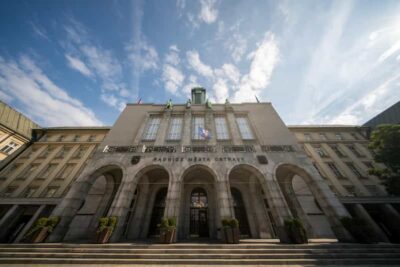
Entrance to the viewing tower of the new town hall
Read our review →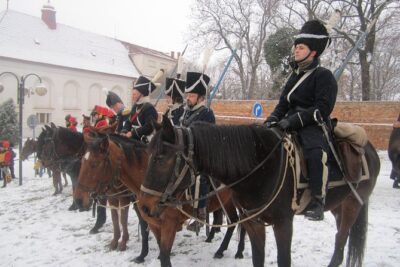
Trip to the Austerlitz Battlefield near BRNO in the Czech Republic
Read our review →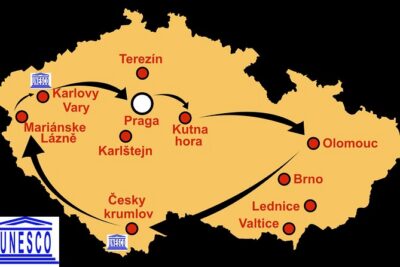
Tour of the Czech Republic – Castles and spas of Bohemia & Moravia
Read our review →Browse the lists this tour appears in